Why Your Dryer Vent Needs an Eco-Friendly Inspection (And How to Do It Right)
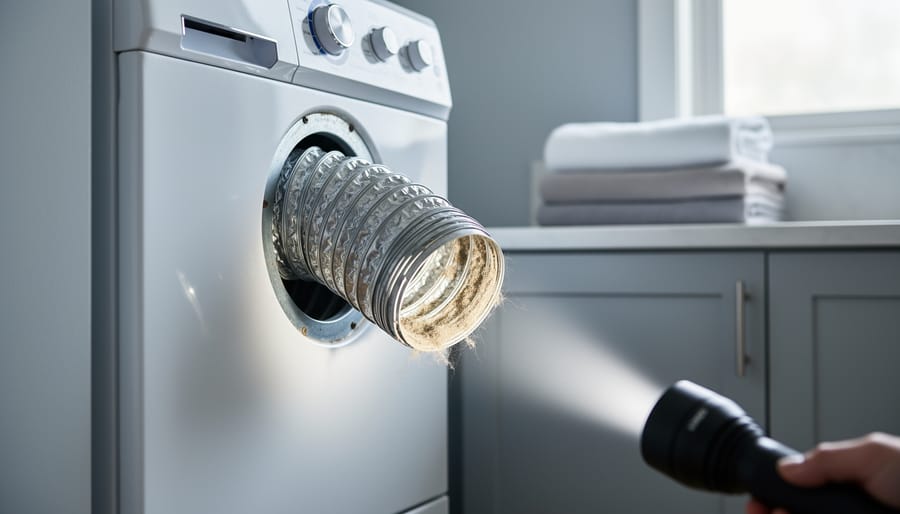
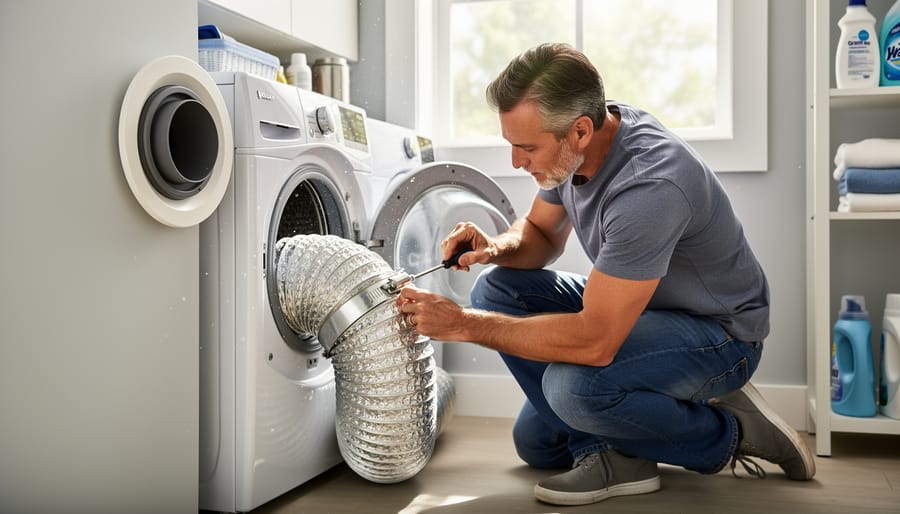
Inspect your dryer vent every three months by disconnecting the duct from the back of your machine and checking for lint buildup, debris, or signs of wear that restrict airflow. This simple habit cuts energy consumption by up to 30% while preventing fire hazards and extending your appliance’s lifespan. Use a flashlight to examine the entire vent path, looking for kinks, compression, or moisture accumulation that signals poor ventilation.
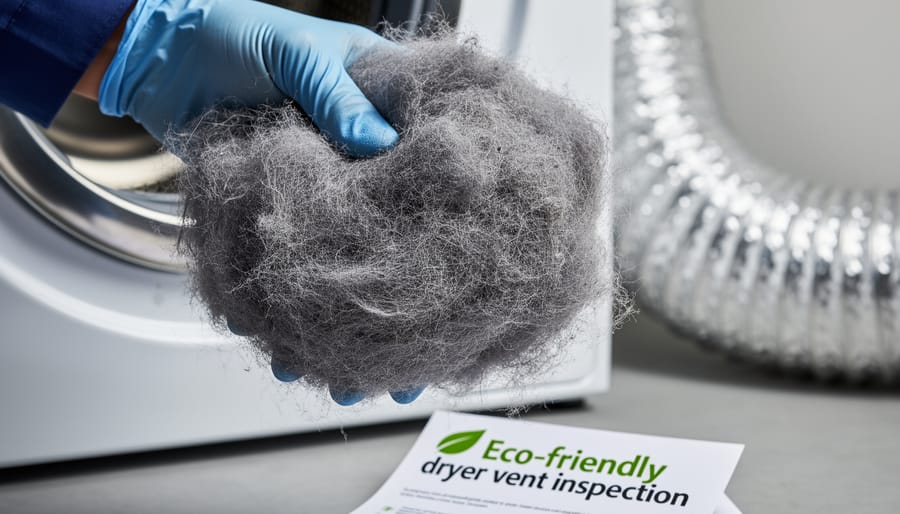
Clean accumulated lint with reusable brushes made from recycled materials rather than disposable options, and collect the debris for composting or use as fire starter instead of sending it to landfills. Your dryer works harder when vents are clogged, consuming significantly more electricity and releasing unnecessary carbon emissions into the atmosphere.
Replace damaged sections with rigid metal ducting instead of flexible plastic or foil alternatives, which trap lint more easily and deteriorate faster. Metal ducts last decades longer, reduce replacement waste, and improve airflow efficiency by 25% compared to flexible options.
Schedule a professional dryer vent inspection annually to catch issues your DIY checks might miss, particularly in the exterior hood and wall-mounted sections. Certified technicians use specialized equipment to measure airflow and identify blockages deep within your system, ensuring your home operates at peak energy efficiency while minimizing environmental impact.
Transform this routine maintenance into a cornerstone of your sustainable living practice. Every inspection prevents wasted energy, reduces appliance turnover, and keeps harmful pollutants out of our shared environment.
The Environmental Cost of Neglected Dryer Vents
When your dryer runs inefficiently, it’s not just a minor inconvenience. A clogged vent forces your machine to work harder and run longer for each load, turning what should be a 45-minute cycle into an hour or more. This extended runtime translates directly into wasted electricity and higher carbon emissions at the power plant. The numbers tell a stark story: clogged vents waste energy to the tune of 20-30% more per load compared to properly maintained systems.
Beyond energy waste, neglected vents create a hidden environmental hazard through increased fire risk. While lint buildup causes dryer fires that claim property and endanger lives, these same fires release toxic combustion byproducts into the atmosphere and generate mountains of waste when appliances and household goods must be replaced. The environmental cost extends far beyond the immediate damage.
There’s also the matter of shortened appliance lifespan. When your dryer strains against restricted airflow month after month, components wear out faster. The heating element burns hotter, the motor works harder, and seals deteriorate from excess heat. This premature failure feeds the appliance replacement cycle, sending otherwise functional machines to landfills years before their time. Manufacturing a new dryer demands raw materials, energy, and transportation, all avoidable impacts when proper maintenance keeps your current unit running smoothly.
For eco-conscious households working toward renewable energy goals or carbon neutrality, these hidden inefficiencies undermine progress. Regular dryer vent inspection and cleaning aligns home maintenance with environmental values, transforming a mundane chore into meaningful climate action. You’re not just protecting your home; you’re reducing your household’s environmental footprint one load at a time.
Signs Your Dryer Vent Needs Inspection
Your dryer often speaks up when something’s wrong, but these signals are easy to miss in our daily routines. Learning to recognize them transforms you from a passive appliance owner into an active participant in your home’s efficiency story.
The most obvious red flag? Clothes taking two or three cycles to dry completely. When your dryer runs longer, it’s burning extra energy for no reason. That’s wasted electricity, a larger carbon footprint, and money literally evaporating into thin air. If towels that once dried in 45 minutes now need two hours, your vent is likely struggling.
Touch the outside of your dryer mid-cycle. Does it feel unusually hot, almost too warm to keep your hand there comfortably? That heat represents trapped energy that should be venting outside. Instead, it’s building up inside your machine, forcing the motor to work harder and shortening your appliance’s lifespan.
Check your laundry room’s humidity level. Excessive moisture in the air, condensation on windows, or that musty smell all point to poor ventilation. Your dryer should be expelling moist air outdoors, not recycling it through your home.
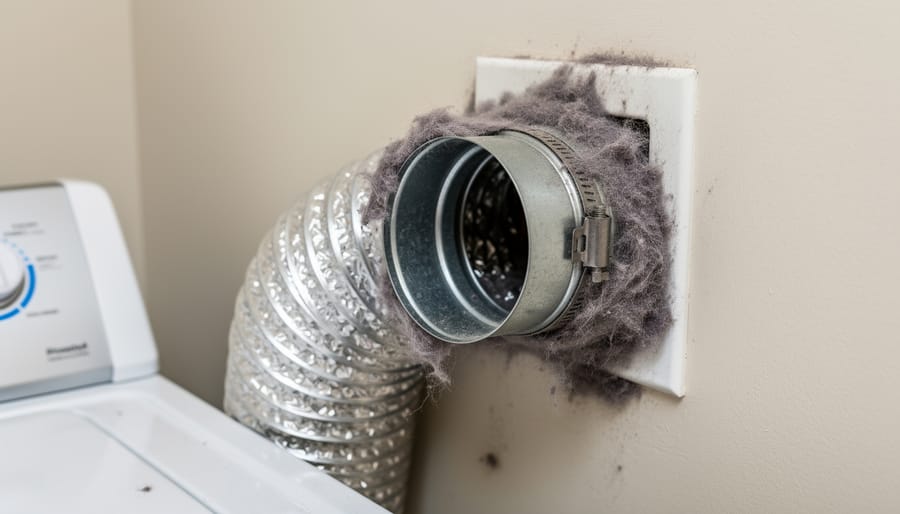
Step outside and locate your exterior vent while the dryer runs. You should feel strong airflow. Weak output or no airflow means blockage somewhere in the system. Also watch for lint accumulating around the outdoor vent opening. Even small amounts signal that lint is escaping through cracks rather than flowing freely outside.
These warning signs aren’t just inconveniences. They’re your home asking for help before small inefficiencies become serious problems.
DIY Sustainable Dryer Vent Inspection: A Step-by-Step Approach
Tools You’ll Need (The Green Way)
Start your sustainable dryer vent inspection with tools you likely already own, eliminating the need for single-use purchases. A flashlight (rechargeable or solar-powered is best) helps you peer into the vent opening and spot lint buildup. A vacuum cleaner with a hose attachment becomes your primary cleaning tool, removing loose debris without chemicals or waste.
For deeper cleaning, choose a reusable dryer vent brush with a flexible rod. Look for brushes made from sustainable materials like bamboo or recycled plastic with nylon bristles that will last for years. Unlike disposable alternatives, these tools can be washed and reused indefinitely.
Keep a screwdriver handy for removing the exterior vent cover. A reusable microfiber cloth dampens with just water to wipe down surfaces, replacing paper towels entirely.
Skip the single-use protective gear. Instead, invest in washable work gloves and a cloth face mask you can launder after each inspection. These simple swaps transform a routine maintenance task into an opportunity to practice the reuse principles that define sustainable living, while keeping your vent functioning safely and efficiently.
Cleaning with Planet-Friendly Products
When it comes to actually cleaning your dryer vent, you don’t need industrial-strength chemicals. In fact, those harsh cleaners can release volatile organic compounds into your home and eventually the environment.
For most dryer vent cleaning jobs, warm water and a simple solution of white vinegar work beautifully. Mix equal parts water and vinegar in a spray bottle to tackle any sticky lint buildup on accessible vent surfaces. The acidity breaks down residue without releasing harmful fumes.
For stubborn grime, create a paste using baking soda and a small amount of water. Apply it to problem areas, let it sit for ten minutes, then scrub with a reusable cloth or brush. Both vinegar and baking soda are biodegradable and safe if they enter your greywater system.
Skip the disposable cleaning wipes entirely. Instead, keep a dedicated set of washable microfiber cloths for vent cleaning. They trap lint effectively and can be laundered hundreds of times. After cleaning, compost the lint you’ve collected if it’s purely cotton or wool, though synthetic-heavy lint should go in the trash since it won’t break down naturally.
When to Call in Professional Help (And How to Choose Green)
Sometimes a dryer vent issue goes beyond what a DIY inspection can handle. While regular maintenance prevents most problems, certain situations demand professional expertise, and that’s perfectly aligned with sustainable living when you choose the right service.
Knowing when to call for help protects both your home and the environment. Vents that extend more than 15 feet, contain multiple bends, or run through walls often hide blockages that simple tools can’t reach. If you’ve cleaned your vent but still notice extended drying times, burning smells, or excessive exterior heat, a professional inspection can identify hidden hazards before they escalate into energy waste or fire risks.
| Situation | DIY Approach | Professional Help Needed |
|---|---|---|
| Accessibility | Straight, short vent (under 15 feet), easy exterior access | Complex routing, multiple floors, wall-mounted vents, roof terminations |
| Blockage Type | Visible lint buildup, seasonal debris near opening | Persistent clogs, animal nests, structural damage, compressed lint deep in system |
| Warning Signs | Slightly longer drying times, minor lint accumulation | Burning odors, extreme heat, moisture in laundry room, no improvement after cleaning |
| Sustainability Impact | Routine maintenance prevents waste | Expert diagnosis prevents replacement, maximizes system efficiency, avoids emergency service trips |
When selecting a professional service, ask about their environmental practices. Look for companies that use energy-efficient equipment, offer reusable or recyclable parts, and properly dispose of waste. Many green-minded technicians now use inspection cameras to minimize invasive work and can recommend energy-saving upgrades like improved vent materials or better outdoor terminations.
Request details about their cleaning methods. The best eco-conscious providers avoid chemical treatments, instead relying on mechanical removal and compressed air systems powered by efficient motors. Some even offer carbon-neutral service options or participate in community recycling programs for removed materials.
Check whether they provide preventive guidance rather than just selling unnecessary replacements. A truly sustainable service educates you on maintaining efficiency between visits, potentially extending the time between professional inspections while keeping your system safe and energy-efficient.
Creating a Sustainable Maintenance Schedule
A consistent maintenance schedule transforms dryer vent care from a reactive chore into a proactive environmental practice. By establishing regular check-ins, you’ll catch problems before they escalate into energy-wasting inefficiencies or safety hazards.
Start with quarterly visual inspections. Every three months, check your exterior vent hood for visible lint buildup, bird nests, or obstructions. This five-minute task prevents small issues from becoming major blockages. Mark these dates in your phone calendar or align them with seasonal changes, the first day of each season makes an easy reminder.
Conduct a deep cleaning twice yearly, ideally in spring and fall. These thorough cleanings coincide with warmer weather when you can efficiently air-dry clothes while your vent system is temporarily disconnected. Spring cleaning tackles winter lint accumulation, while fall preparation ensures optimal performance during colder months when dryers see heavier use.
Track your dryer’s performance between scheduled cleanings. Keep a simple log noting average drying times for similar loads. A gradual increase signals developing restrictions, letting you address them before efficiency plummets. Some eco-conscious homeowners track monthly energy usage to spot consumption spikes that indicate vent problems.
Consider your household’s specific needs when setting your schedule. Larger families doing multiple loads daily may need monthly inspections, while smaller households might extend to every four months. Homes with pets that shed heavily require more frequent attention, as pet hair accelerates lint buildup.
The key is consistency. Regular maintenance prevents the energy waste and potential appliance damage that comes from neglect, keeping your home safer and your environmental impact lower.
Beyond the Vent: Building a Greener Laundry Routine
A well-maintained dryer vent is just one piece of a larger sustainable laundry puzzle. Once you’ve optimized your vent for efficiency, consider how your entire laundry routine can support zero-waste living principles and reduce your household’s environmental footprint.
Line drying remains the most energy-efficient option. When weather permits, outdoor drying harnesses natural sunlight and fresh air while your machine rests. Indoor drying racks work year-round and prevent unnecessary dryer use for lighter loads. This approach directly supports what zero waste means by eliminating energy consumption entirely.
When you do use your dryer, these practices maximize sustainability:
- Run full loads to optimize energy use per item dried
- Use wool dryer balls instead of disposable dryer sheets
- Clean the lint trap before every load for peak efficiency
- Choose the lowest heat setting that works for your fabrics
- Remove items while slightly damp to finish air-drying
Your laundry room choices extend beyond the machines themselves. The same mindful approach that helps you avoid fast fashion applies to washing practices. Choose concentrated, plant-based detergents in refillable containers. Wash clothes in cold water whenever possible. Invest in quality eco-friendly bedding that lasts longer and requires less frequent washing.
Share your sustainable laundry wins with neighbors and friends. When communities embrace these practices collectively, the environmental impact multiplies far beyond individual households.
Taking care of your dryer vent doesn’t require dramatic lifestyle changes or expensive equipment. It’s one of those satisfying maintenance tasks where a small effort creates multiple wins: you’ll cut your energy bills, reduce fire risk, and lighten your environmental footprint all at once. Regular inspection and cleaning transform a basic household chore into a meaningful act of sustainable living.
What makes this approach different isn’t just checking off a maintenance task. It’s about rethinking how we care for our homes. When you choose reusable brushes over disposable ones, natural cleaners over chemical sprays, and develop a consistent schedule instead of waiting for problems, you’re building habits that ripple outward. These same principles apply to every corner of your home and life.
Start simple. Inspect your vent this weekend. Notice how long your clothes take to dry over the next few loads. Mark your calendar for quarterly checks. Share what you learn with neighbors who might not realize how much energy they’re wasting or the safety risks they’re running.
Remember, sustainability isn’t about perfection. It’s about progress, awareness, and community. Every homeowner who maintains their dryer vent efficiently contributes to collective energy conservation. Your individual action matters, and when combined with thousands of others making similar choices, we create real change. You’ve got the knowledge now. Time to put it into practice and inspire others to do the same.