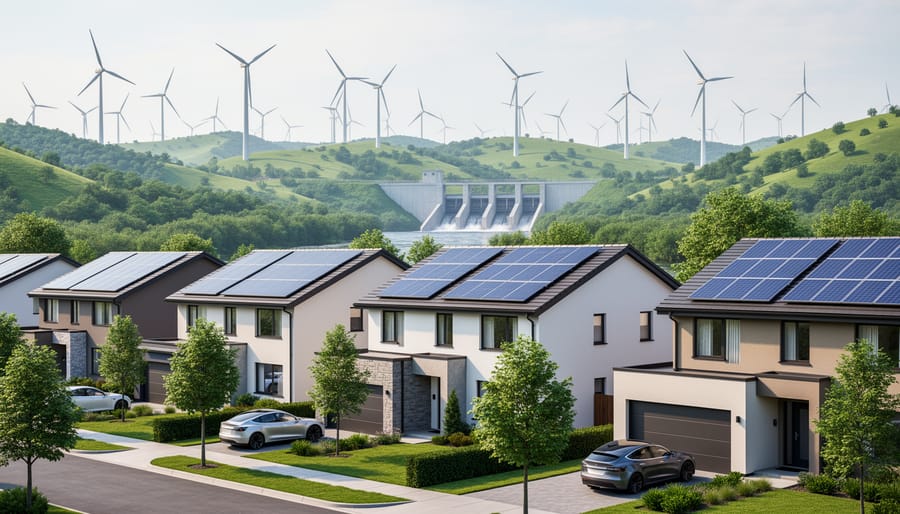
What Are the Economic Benefits of Renewable Energy (and How Do They Work)?
The economic benefits of renewable energy describe the measurable financial and employment advantages that solar, wind, and other clean power sources bring to local communities, national economies, and individual households. Beyond reducing carbon emissions, renewable energy creates well-paying jobs, stabilizes energy costs, and builds economic resilience that fossil fuels simply cannot match.
If you’re wondering whether the shift to clean energy makes financial sense, the answer is clear: renewable energy drives substantial economic growth while simultaneously addressing climate challenges. The advantages of renewable energy extend far beyond cleaner air. They reshape entire economies by creating diverse employment opportunities in manufacturing, installation, and maintenance sectors that didn’t exist at this scale a decade ago.
The renewable sector now outpaces traditional energy in job creation across most developed nations. Solar panel installers, wind turbine technicians, and energy efficiency specialists represent some of the fastest-growing professions. These aren’t temporary construction gigs either. They’re stable, skilled positions with competitive wages that support families and strengthen local tax bases.
What makes renewable energy particularly powerful economically is its ability to keep money circulating within communities. When you purchase electricity generated by a local solar farm or wind installation, those dollars stay nearby rather than flowing to distant oil-producing regions. This localized spending multiplies through the economy, supporting everything from restaurants to retail shops.
This article breaks down exactly how renewable energy generates economic value, the specific types of financial benefits you can expect, and practical ways communities and individuals are already participating in this economic transformation. Understanding these mechanisms helps you make informed decisions about supporting and investing in clean energy.
What Economic Benefits Mean for Renewable Energy
When we talk about economic benefits in the renewable energy context, we’re measuring real dollars and opportunities flowing into communities. These aren’t abstract environmental wins, they’re paychecks, business revenues, tax dollars for schools and roads, and money staying in local economies instead of disappearing to distant fossil fuel suppliers.
The core economic benefits we track include job creation across manufacturing, installation, and maintenance sectors; cost savings for households and businesses as renewable energy prices drop below fossil fuels; GDP contribution from the expanding clean energy industry; energy independence that keeps energy spending domestic; and local investment that builds community wealth. Each metric connects to something tangible in your life, whether it’s a neighbor landing a solar installation job or your utility bill shrinking as your community adds wind power.
Understanding the language of renewable economics helps you see how green choices create prosperity:
- Job Multiplier Effect
- Each direct renewable energy job creates additional jobs in supporting industries, typically generating 2-3 total positions per direct hire. This ripple spreads through local suppliers, restaurants, housing, and services.
- Levelized Cost of Energy (LCOE)
- The total lifetime cost of building and operating a power plant divided by its total energy output, allowing fair comparison between energy sources. Renewable LCOE has dropped dramatically, making wind and solar the cheapest new electricity sources in most markets.
- Energy Independence
- Producing power from local renewable resources rather than importing fossil fuels, keeping energy dollars circulating within regional economies. Communities gain price stability and insulation from global fuel market volatility.
- Green Economy
- Economic activity focused on sustainable practices and environmental benefits, encompassing renewable energy, efficiency improvements, and clean technology. This growing sector offers career pathways aligned with environmental values.
- Local Economic Impact
- Money spent on renewable projects that stays within the community through local hiring, purchases from regional suppliers, and tax revenues supporting public services. Unlike fossil fuel payments that leave the area, these dollars recirculate locally.
These benefits matter because they transform environmental stewardship from a cost into an investment with measurable returns, proving that what’s good for the planet strengthens economies and improves quality of life for everyone.
How Renewable Energy Drives Economic Growth
The Job Creation Cycle
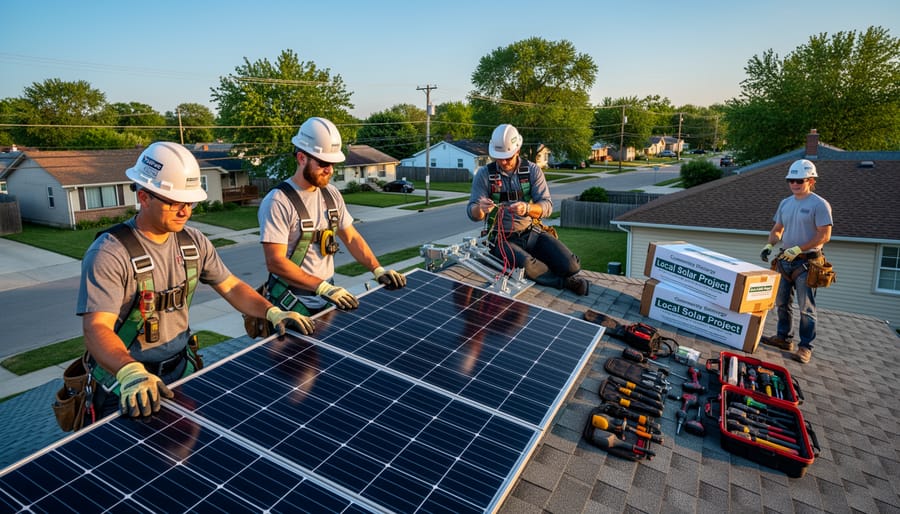
Renewable energy projects spark employment well before the first solar panel or wind turbine is installed. The cycle begins with surveyors, environmental consultants, and engineers assessing sites and designing systems. Then comes manufacturing, factory workers producing panels, turbines, inverters, and batteries. These components need transportation, creating logistics jobs along the way.
Installation brings the most visible wave of employment. Solar installers, electricians, and construction crews work directly in communities where projects are built. Wind farms need tower assembly teams. Both sectors prioritize local hiring because proximity matters, people who live nearby understand the terrain and weather patterns, and training local workers keeps project costs manageable.
After installation, the jobs don’t disappear. Technicians monitor system performance, electricians handle maintenance, and administrative staff manage operations. A single wind farm can employ full-time technicians for twenty-five years or more. Solar arrays need regular cleaning, vegetation management, and equipment upgrades.
What makes this cycle particularly powerful is accessibility. Many renewable energy positions offer apprenticeships and on-the-job training rather than requiring expensive degrees. Communities investing in clean energy aren’t just getting cleaner power, they’re building career pathways that didn’t exist before.
Energy Cost Reductions Over Time
The economics of renewable energy have fundamentally shifted over the past decade. Solar and wind power now cost less than coal or natural gas in most markets worldwide, and those prices continue dropping. Unlike fossil fuels, which face unpredictable price swings based on geopolitical tensions and supply disruptions, solar panels and wind turbines produce electricity at stable, predictable costs once installed.
This price stability transforms household and business budgets. When a family installs rooftop solar, their monthly electricity bill can drop by 50-75%, with those savings compounding year after year. That’s money previously sent to utility companies now available for education, home improvements, or savings. Businesses experience similar benefits, a warehouse switching to renewable energy might redirect tens of thousands in annual energy costs toward employee wages or expansion.
The falling technology costs accelerate these advantages. A solar installation that cost $40,000 in 2010 might run $12,000 today for the same capacity, making clean energy accessible to middle-income households, not just the wealthy. Manufacturing economies of scale, improved efficiency, and streamlined installation processes all contribute to this trend.
Communities benefit too. When energy costs decline across many households and businesses simultaneously, that collective savings stimulates local economies. The capital no longer exported to distant power plants stays in the community, creating a prosperity feedback loop that strengthens everyone’s financial resilience while supporting environmental health.
Major Categories of Economic Impact

Employment and Career Opportunities
The renewable energy sector creates accessible career paths that don’t always require four-year degrees. Solar installers and wind turbine technicians earn strong wages, often $45,000 to $65,000 annually, after completing certificate programs that take months, not years. These hands-on roles are growing faster than most occupations, with training programs increasingly available in community colleges and union apprenticeships that actively recruit from underserved neighborhoods.
Manufacturing jobs span the supply chain, from producing solar panels and battery components to fabricating turbine blades. Energy efficiency specialists help buildings reduce consumption, a growing field as older structures upgrade their systems. Many positions offer on-the-job training, making them accessible entry points for career changers and workers transitioning from declining industries.
The circular economy adds another layer: technicians who recycle green technology and refurbish renewable equipment create jobs while extending the value of clean energy infrastructure. Community solar projects and local installation companies prioritize hiring locally, keeping skills and wages within the neighborhoods they serve rather than extracting wealth to distant corporate headquarters.
Long-Term Cost Advantages
Renewable energy flips the traditional energy cost equation on its head. Once you install solar panels or wind turbines, the fuel is free. Forever. Unlike natural gas or coal, which require constant purchasing at fluctuating market prices, sunshine and wind cost nothing. This fundamental difference shields communities and businesses from the price spikes that drain household budgets and destabilize economic planning.
The predictability matters enormously. Renewable energy contracts lock in prices for 20-30 years, letting families budget confidently and businesses forecast expenses accurately. When fossil fuel prices surge during global disruptions, renewable energy users keep paying the same rates.
Technology costs keep dropping too. Solar panel prices have fallen over 90% since 2010, and they’re still declining. Wind turbine efficiency improves yearly, producing more power from the same investment. These savings compound over decades of equipment operation.
For everyday people, this translates to lower electricity bills that stay stable while conventional energy costs bounce around. Businesses gain competitive advantages through reliable energy expenses. Communities redirect money previously spent on imported fuels toward local needs, schools, infrastructure, services, building lasting prosperity that fossil fuels never delivered.
Community Investment and Local Wealth
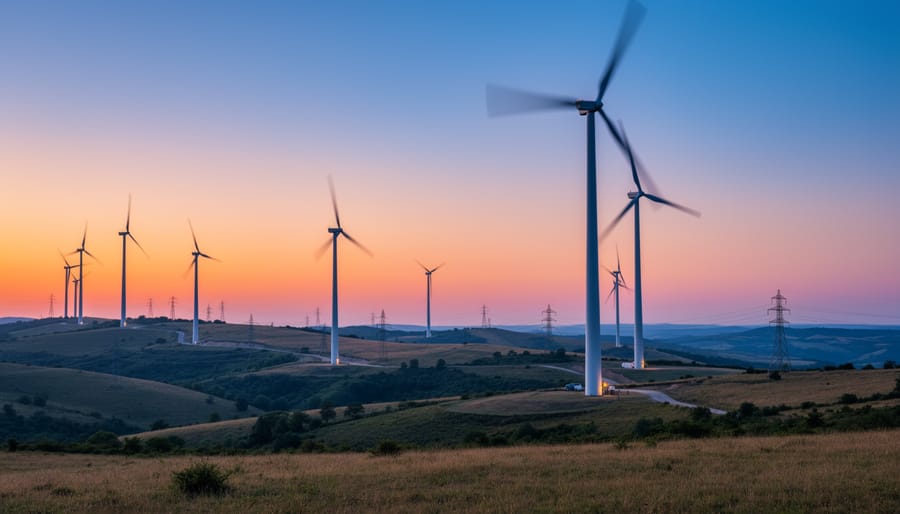
When your community chooses renewable energy, money that once flowed to distant fossil fuel companies stays home instead. A solar farm or wind project circulates investment through local contractors, suppliers, and service providers. These projects pay property taxes that fund schools and infrastructure while creating stable revenue streams for landowners who lease their property.
The difference matters: traditional energy sends your monthly payment out of state or overseas to fuel suppliers. Renewable energy turns your utility spending into community investment. Local businesses save on energy costs, hire more staff, and reinvest those savings nearby. Credit unions and community banks increasingly finance local renewable projects, keeping interest payments within the region.
This wealth-building effect compounds over time. As renewable projects multiply, communities develop expertise and supply chains that attract additional clean energy investment. Rural areas particularly benefit from wind and solar lease payments that stabilize farm incomes and support small-town budgets. Property values near well-designed renewable projects often rise as buyers seek communities with energy independence and forward-thinking infrastructure.
You’re not just buying cleaner power, you’re investing in your neighbors’ prosperity and your community’s economic future.
Where These Benefits Show Up in Daily Life
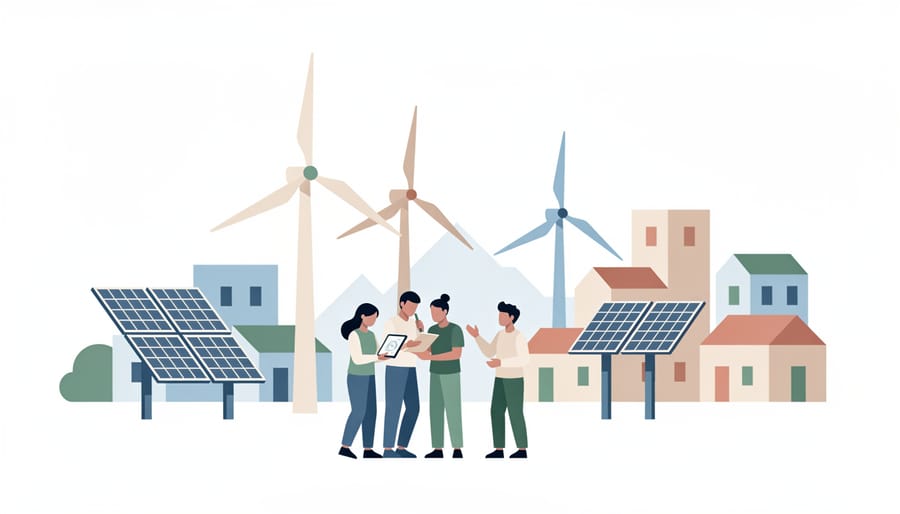
You’ve probably noticed renewable energy’s economic impact closer to home than you realize. When your neighbor installs solar panels, their monthly electric bill drops significantly, sometimes to zero, freeing hundreds of dollars annually for other household needs or savings. That’s direct economic benefit, and it’s happening in communities everywhere.
Local job boards increasingly list positions for solar installers, energy auditors, and efficiency technicians. These aren’t abstract statistics, they’re real career opportunities in your area, often with training programs accessible to people without advanced degrees. A friend might be earning steady income maintaining wind turbines or retrofitting buildings for better energy performance.
Property values tell another story. Homes with solar installations typically sell faster and command higher prices, translating environmental choices into tangible financial returns. Businesses embracing renewable energy gain competitive advantages through lower operating costs, which they can pass to customers or reinvest in expansion and hiring.
Community benefits extend beyond individual savings. Many renewable projects return revenue to local governments through lease payments and taxes, funding schools, infrastructure improvements, and public services without raising resident tax burdens. Rural areas hosting wind farms or solar arrays see direct payments that stabilize budgets and support community programs.
You participate in this economy when you second life for devices powered by renewable energy or support eco-brands committed to clean energy operations. Every purchase from businesses using renewable power strengthens demand, encouraging more companies to transition and amplifying economic benefits across supply chains.
These daily touchpoints, utility bills, job opportunities, property investments, business prices, community services, demonstrate that renewable energy economics isn’t theoretical. It’s reshaping how money flows through neighborhoods, keeping wealth local and building prosperity that residents can actually feel in their wallets and see in their communities.
Supporting the Renewable Economy in Your Community
You don’t need to wait for massive policy changes to strengthen the renewable economy, your everyday choices create ripples that support green jobs and clean energy infrastructure right where you live.
Start by choosing electricity providers that source from renewable energy, if your area offers that option. Many regions now let you select green power plans that direct your monthly payment toward wind, solar, and other clean sources. This direct financial support helps renewable facilities stay profitable and encourages utilities to build more clean capacity. Even switching to time-of-use rates that reward off-peak consumption helps balance grid demands and maximize renewable energy use.
Support local businesses that prioritize sustainability in their operations and supply chains. When you shop with eco-brands that use renewable energy in manufacturing or offset their carbon footprint, you’re voting with your wallet for a cleaner economy. Look for companies that transparently share their environmental commitments and partner with renewable energy projects. These businesses often collaborate with local installers and green suppliers, creating economic networks that keep money circulating in your community.
Advocate for renewable energy projects in your area, especially community solar programs that let multiple households share the benefits of a single installation. Attend public meetings, sign petitions supporting clean energy development, and talk with neighbors about the economic advantages these projects bring, construction jobs, property tax revenue, and long-term employment opportunities that don’t disappear when the work ends.
Consider investing in renewable energy yourself, whether through rooftop solar, joining a community choice aggregation program, or supporting green bonds that finance clean energy infrastructure. These investments often pay dividends both financially and environmentally, while demonstrating market demand that attracts larger-scale renewable development to your region.
How The Economic Benefits of Renewable Energy Works
The economic engine of renewable energy starts with upfront investment flowing into local economies. When a solar farm or wind project breaks ground, money immediately circulates through construction crews, equipment suppliers, and support services, creating what economists call a multiplier effect. Each dollar spent generates additional economic activity as workers spend their wages at local businesses.
Unlike fossil fuels, where ongoing costs leak out to distant suppliers, renewable energy captures value locally. After installation, maintenance jobs keep technicians employed year after year while energy production costs stay predictable. The electricity generated replaces purchases of imported coal, gas, or oil, keeping those dollars working in your community instead.
As renewable capacity grows, manufacturing scales up and costs drop, what’s known as a learning curve. Lower prices attract more investment, creating a virtuous cycle. Energy users redirect savings from lower bills into other spending or saving, stimulating broader economic activity.
Property tax revenues from renewable installations fund schools and infrastructure without burdening residents, while businesses gain competitive advantages through stable, affordable energy costs. This self-reinforcing cycle transforms clean energy from an expense into an economic development tool that compounds benefits over decades.
Common Questions About Renewable Energy Economics
Are renewable energy jobs actually good-paying careers?
Yes, many positions like wind turbine technicians and solar installers offer competitive wages with strong growth potential, often including benefits and opportunities for advancement. These aren’t temporary gigs; they’re skilled trades and professional roles that support middle-class livelihoods.
Does renewable energy really save money, or is it just more expensive?
Renewable energy now costs less than fossil fuels in most markets, and prices keep dropping as technology improves. While initial installation requires investment, the fuel itself is free forever, locking in predictable costs instead of exposing you to volatile oil and gas prices.
What happens to workers currently in fossil fuel industries?
Many skills transfer directly to renewable energy work, and retraining programs help workers transition into growing sectors. The goal isn’t abandoning communities but creating new opportunities where old industries decline, often in the same regions.
Will switching to renewables raise my electricity bill?
In most cases, renewable energy either lowers bills or keeps them stable over time, especially compared to fossil fuels subject to price spikes. States with high renewable adoption often see slower electricity cost growth than those relying on conventional generation.
These questions reflect real anxieties people have about economic transitions, and the answers matter because they shape whether communities embrace or resist change. The economic case for renewables isn’t just about national statistics, it’s about whether your neighbor can find good work, whether your monthly budget gets easier or harder, and whether the shift leaves anyone behind.
When we talk about renewable energy economics, we’re really talking about shared prosperity. The beauty of this transition is that it doesn’t require choosing between environmental responsibility and economic security. Communities investing in clean energy today are building resilience that protects them from future shocks, whether that’s a fuel crisis, a climate disaster, or an economic downturn. The renewable economy grows stronger as more people participate, creating a positive cycle where environmental action and financial well-being reinforce each other rather than compete.
The economic case for renewable energy reveals a powerful truth: what’s good for the planet is also good for our wallets, our communities, and our collective future. Every solar panel installed, every wind turbine erected, and every electric vehicle purchased strengthens both environmental health and economic vitality. This isn’t about choosing between prosperity and sustainability, it’s about recognizing they’re two sides of the same coin.
When you support renewable energy, you’re not just reducing carbon emissions. You’re creating jobs for your neighbors, keeping energy dollars circulating in your community, and building resilience against economic shocks tied to fossil fuel price volatility. You’re investing in innovation that makes clean energy more affordable for everyone, including those who’ve historically borne the greatest burden of energy costs.
The transition to a renewable economy is already underway, and it’s gathering momentum with every person who chooses to participate. Whether you’re installing solar panels, supporting eco-conscious brands, advocating for clean energy policies, or simply spreading awareness about these economic benefits, you’re helping build a world where financial security and environmental stewardship reinforce each other.
This movement isn’t driven by sacrifice or guilt, it’s powered by opportunity and hope. Together, we’re proving that a thriving economy and a healthy planet aren’t competing goals. They’re shared destinations, and renewable energy is the path that gets us there.