
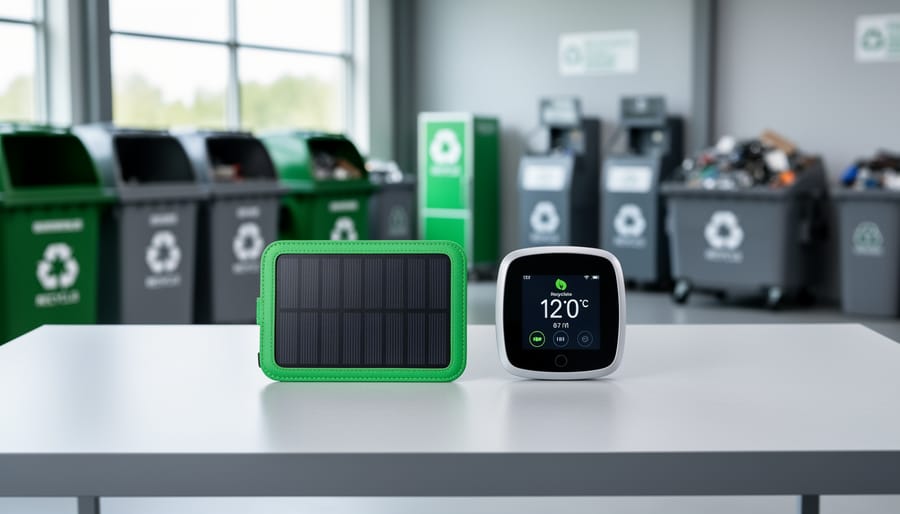
How to Recycle Green Technology: A Complete Guide to Giving Your Eco-Friendly Devices a Second Life
Green technology devices promise a cleaner future, but when your solar charger stops holding power or your smart thermostat becomes obsolete, responsible disposal becomes your next environmental act. Recycling these eco-friendly gadgets properly ensures their valuable materials return to the manufacturing cycle while keeping toxins out of landfills, a process that takes about 15-30 minutes of your time but creates lasting impact.
The challenge many conscious consumers face is this: conventional electronics recycling programs aren’t always equipped to handle the unique components in green tech. Solar panels contain specialized photovoltaic cells, electric vehicle batteries require careful lithium extraction, and energy monitoring devices house rare earth metals that demand specific recovery processes. Simply tossing these items in standard e-waste bins wastes their environmental potential and can even create safety hazards.
Here’s the good news. A growing network of manufacturers, community programs, and certified recyclers now specialize in green technology end-of-life management. Many eco-focused brands we partner with have built take-back programs directly into their product lifecycle, turning your old device into raw materials for the next generation of sustainable innovation. By following a clear verification process and choosing the right recycling channel, you ensure every component serves the planet twice: once during use, and again through rebirth into new technology.
This guide walks you through identifying recyclable components in your green tech, finding certified programs in your area, preparing devices safely for drop-off, and verifying that your efforts truly complete the sustainability circle. Your commitment to proper disposal amplifies the environmental benefits you already created by choosing green technology in the first place.
Understanding What Green Technology You Can Recycle
The solar panels on your roof, those smart thermostats keeping your home energy-efficient, and the rechargeable batteries powering your devices, all eventually reach the end of their useful life. Understanding which green technologies need recycling helps you plan ahead and ensures these innovations don’t become environmental liabilities.
Most sustainable technologies contain a mixture of valuable resources and potentially harmful materials. Solar photovoltaic panels, for instance, contain silicon, silver, copper, and sometimes rare elements like tellurium or indium. LED bulbs house precious metals and electronic components. Electric vehicle batteries contain lithium, cobalt, and nickel, materials that took significant resources to extract and refine. When properly recycled, these components return to manufacturing streams for new products. When tossed in landfills, they waste finite resources and can leach toxic substances into soil and groundwater.
Common green technologies that require specialized recycling include:
- Solar panels and photovoltaic systems, including inverters and mounting hardware
- Rechargeable batteries from power tools, electric vehicles, and energy storage systems
- LED bulbs and fixtures, plus compact fluorescent lamps
- Smart home devices like thermostats, energy monitors, and automated lighting controllers
- Energy-efficient appliances including heat pump water heaters and ENERGY STAR refrigerators
- Electric vehicle charging stations and associated electronics
- Wind turbine components, particularly for residential or small-scale installations
Many of these items contain circuit boards with trace amounts of gold, palladium, and copper worth recovering. Others house capacitors or batteries that pose fire risks if crushed in standard waste processing. The complexity varies, recycling an LED bulb differs significantly from decommissioning a rooftop solar array, but all require more care than simply setting them at the curb on trash day.
What You’ll Need Before You Start
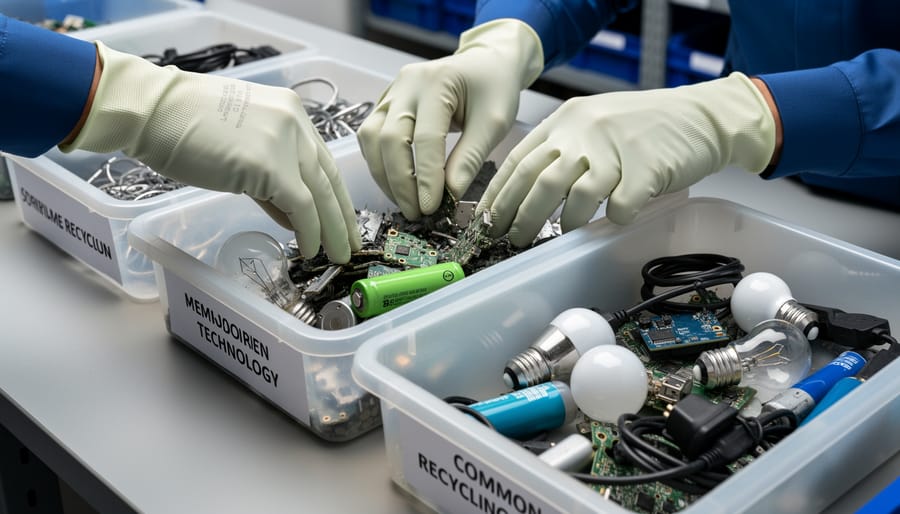
Before you begin the green technology recycling process, gather a few essential items you likely already have at home. The good news is that preparation matters more than purchasing specialized equipment.
Start with basic protective gear: sturdy work gloves to handle components with sharp edges or broken glass, and safety glasses if you’ll be moving larger items like solar panels or appliances. A set of basic screwdrivers helps remove batteries from devices, though you won’t need to disassemble anything completely.
For organization, collect a few cardboard boxes or plastic containers to separate different technology types. Keep batteries isolated from other components, and store items with screens or glass separately to prevent breakage during transport. Label containers clearly with masking tape and a marker, “lithium batteries,” “LED bulbs,” “small electronics”, so you stay organized.
Documentation proves surprisingly valuable during recycling. Gather any receipts, warranties, or product manuals that list model numbers and specifications, some recyclers need this information to process items correctly, and certain programs offer recycling credits or rebates with proof of purchase.
Finally, dedicate time to research rather than shopping. Your most important preparation involves locating certified recyclers in your area. Bookmark websites for e-Stewards certification lookups, your municipality’s hazardous waste collection schedule, and manufacturer recycling portals. This groundwork ensures you send your green technology to legitimate facilities rather than discovering your options at the last minute.
Safety First: What to Watch Out For
Green technology might be designed with the planet in mind, but recycling these devices safely requires serious attention. Many eco-friendly products contain powerful energy storage systems and specialized components that pose real risks if handled improperly.
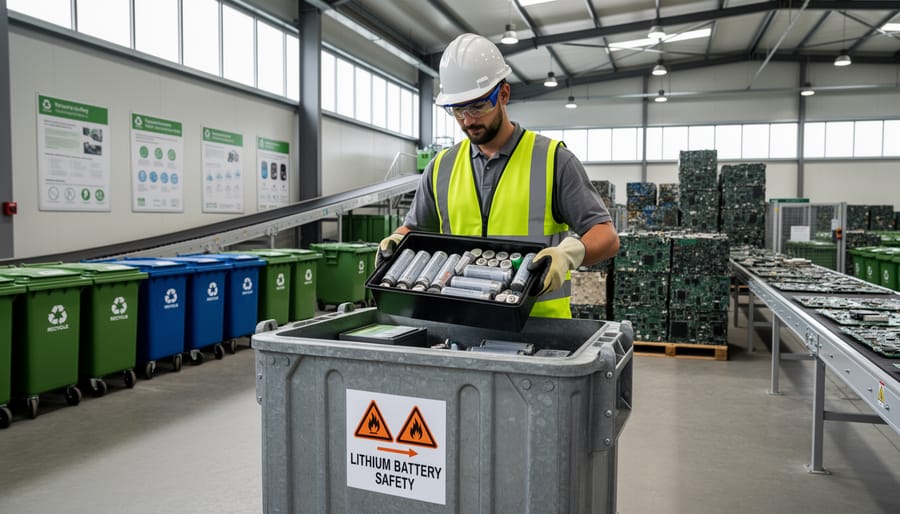
Lithium-ion batteries present the most immediate danger. These rechargeable powerhouses, found in everything from solar backup systems to electric bike batteries, can ignite if punctured, crushed, or short-circuited during removal. The EPA classifies damaged lithium batteries under hazardous waste ignitability standards, which means they require specialized handling. Never attempt to disassemble battery packs yourself. If you spot swelling, corrosion, or leaking fluid, isolate the battery in a cool, dry location away from flammable materials and contact a certified recycler immediately.
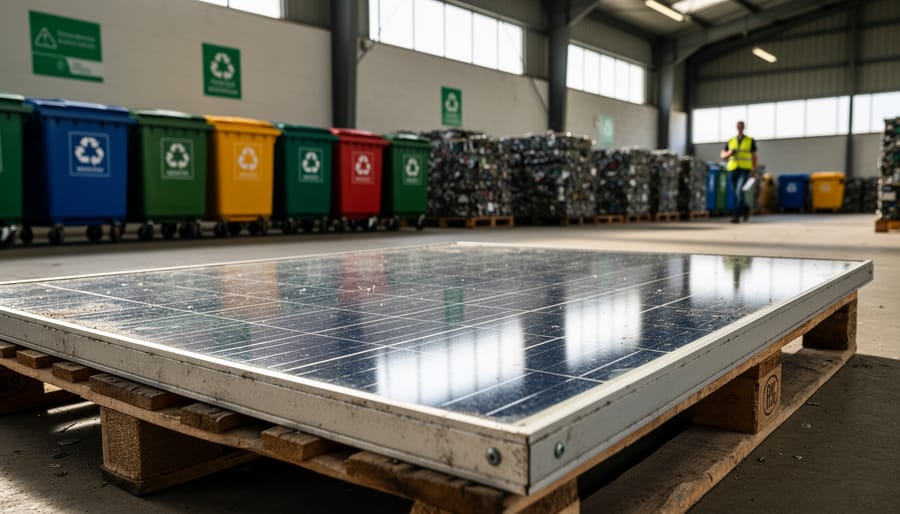
Solar panels and wind turbine components contain rare earth elements and heavy metals like cadmium or lead in older models. While intact panels are safe, cracked photovoltaic cells can expose you to these substances. Wear heavy-duty gloves and safety glasses when handling any damaged panels, and avoid touching broken glass or exposed backing materials.
Smart home devices and energy monitors need careful data wiping before recycling, but their internal components rarely pose physical hazards. The same can’t be said for larger systems. If your green technology weighs over 50 pounds, contains high-voltage components, or shows any signs of damage or leaking, professional pickup and processing protects both you and the recycling workers downstream. Your safety matters as much as the planet’s.
Step-by-Step: How to Recycle Your Green Technology
Assessing Your Device and Finding the Right Recycler
Start by checking the product label or manual for your green technology, most manufacturers list recycling codes, material composition, and whether the item contains lithium batteries, rare earth elements, or photovoltaic cells. This information determines which recycling facility can handle it properly. A solar panel with cadmium telluride layers requires different processing than one made with silicon, and knowing the difference saves you from wasting time at a recycler that can’t accept your specific device.
Many manufacturers now run take-back programs that handle the entire recycling process for free. Visit the brand’s website and search for “product stewardship,” “recycling program,” or “extended producer responsibility.” Companies like Tesla, Sunrun, and Philips operate mail-back or drop-off programs specifically designed for their products, often offering incentives or trade-in credits. These programs guarantee proper handling since manufacturers understand their own products’ construction.
If no manufacturer program exists, search for recyclers with R2 and e-Stewards certification the gold standards for responsible electronics recycling. These certifications mean the facility meets strict environmental and data security standards, won’t export hazardous waste to developing countries, and actually recovers materials rather than landfilling. The EPA maintains an updated directory you can search by zip code.
Municipal e-waste collection events accept some green technology, but they typically route items to third-party processors whose practices you can’t verify. Specialized facilities cost more or require appointments, but they provide detailed reporting on what materials were recovered and how. For high-value items like solar inverters or EV charging stations, the specialized route ensures maximum material recovery and proper hazardous component handling.
Preparing Your Technology for Recycling
Start by disconnecting your device from all power sources. For solar panels or wind components, turn off associated breakers and disconnect wiring during daylight hours when you can see clearly. Unplug energy-efficient appliances and remove any attached cords.
Next, address data security. Smart thermostats, energy monitors, and connected appliances store WiFi credentials and usage data. Factory reset these devices through their settings menus or apps. Remove them from your home network before recycling. Check manufacturer websites for specific reset instructions if needed.
Carefully remove batteries from items like solar lights, backup systems, or portable panels. Lithium and nickel-metal hydride batteries require separate recycling streams. Place them in individual plastic bags to prevent terminal contact and potential short circuits.
Document serial numbers and model information with photos. This helps if you need proof of recycling for rebates or tax purposes.
Store prepared items in a dry location away from flammable materials. Keep batteries in a cool spot, never in hot garages or direct sunlight. Stack solar panels flat with cardboard between layers to prevent glass scratching. Label boxes clearly with contents for easier transport to your recycling facility.
Completing the Recycling Process
When you arrive at the recycling facility or schedule a pickup, come prepared with questions. Ask whether your items will be processed on-site or shipped elsewhere, this transparency reveals their actual commitment to proper recycling. Request details about their material recovery process: which components get refurbished, which metals get extracted, and where batteries end up.
Don’t leave without a recycling receipt. This document serves as proof of proper disposal, potentially needed for warranty claims, tax deductions for business equipment, or corporate sustainability reporting. Many certified recyclers provide detailed receipts listing item types, serial numbers, and estimated material recovery rates.
During processing, recyclers typically sort devices by component type. Circuit boards go through shredding and chemical extraction to recover precious metals like gold and silver. Solar panels get separated into glass, aluminum frames, and silicon wafers. Lithium batteries enter specialized facilities where cobalt, nickel, and lithium get recovered for new battery production. Plastics are sorted by resin type and pelletized for manufacturing.
This recovered material directly feeds back into production cycles, reducing mining impacts and closing the sustainability loop. Your participation makes new green technology production genuinely greener.
How to Know You’ve Done It Right
You’ll know your green technology recycling was handled responsibly when you receive documentation from the recycler. Reputable facilities provide certificates of recycling that list the items accepted, the date processed, and confirmation that materials were handled according to environmental regulations. These certificates serve as proof for tax deductions if you donated items, or for corporate sustainability reporting if you’re recycling on behalf of a business.
Ask your recycler what happens to the materials next. Legitimate operations can explain their process: solar panels get dismantled to recover silicon, silver, and aluminum; lithium batteries are broken down to reclaim cobalt and nickel; circuit boards from smart devices yield copper and precious metals. If a facility can’t describe where materials go or which downstream processors they work with, that’s a red flag.
Watch for warning signs of improper recycling. Recyclers who accept items without asking basic questions about condition or type, who lack visible certifications, or who charge suspiciously low fees may be cutting corners. Items shipped overseas to unregulated facilities often end up in landfills or are processed under unsafe conditions that harm workers and local environments.
Track your recycling impact by keeping records of what you’ve diverted from landfills. Many certified recyclers provide impact statements showing pounds of materials recovered or carbon emissions avoided. Some manufacturers offer points or rewards when you return their products, creating a tangible connection between your action and the circular economy. Save your documentation, it demonstrates your commitment to closing the sustainability loop and may inspire others in your community to follow your lead.
Partnering With Eco-Friendly Brands That Close the Loop
You don’t have to tackle green technology recycling alone. Many forward-thinking brands have built take-back programs that make recycling as simple as your original purchase. Tesla accepts retired battery packs through their service centers, recovering lithium and cobalt for new batteries. Patagonia’s Worn Wear program extends to their solar-powered gear and electronic accessories, while Philips operates collection schemes across Europe and North America for their LED lighting systems. These aren’t token gestures, they’re examples of circular sustainability where manufacturers design products knowing they’ll one day reclaim the materials.
Look for companies certified under extended producer responsibility frameworks. Goal Zero takes back portable solar chargers, Nest recycles their smart thermostats through Best Buy partnerships, and Sunrun coordinates panel recycling when systems reach end-of-life. Check product packaging and company websites for details, many programs offer prepaid shipping labels or partner with local retailers for drop-off convenience. When you support these brands, you’re funding the infrastructure that makes comprehensive recycling possible for everyone, not just closing the loop on your own device.
Common Questions About Green Technology Recycling
Let’s tackle the questions that come up most often when people consider recycling their green technology. These answers will help you move forward with confidence.
Is recycling green technology free?
Many manufacturers and certified recyclers offer free take-back programs for green tech like solar panels and LED bulbs, especially if the items are still functional or from their brand. Some municipal programs charge small fees for specialized recycling of items like lithium batteries or large inverters, typically ranging from $5 to $50 depending on size and complexity.
What happens to my personal data on smart energy monitors and connected devices?
Before recycling any smart green technology, perform a factory reset to wipe your Wi-Fi credentials, usage data, and app connections. Certified recyclers follow data destruction protocols, but you’re ultimately responsible for clearing your information before handing over the device.
Can I recycle green technology that’s broken or damaged?
Yes, broken items are actually ideal candidates for recycling since they can’t be reused or donated. Certified recyclers recover valuable materials from damaged solar panels, cracked LED fixtures, and dead batteries just as effectively as from working units.
How do I recycle large items like solar panel arrays or wind turbine components?
Contact specialized recyclers who offer pickup services for oversized green technology. Many solar panel manufacturers have dedicated programs that coordinate removal and recycling, and some municipalities schedule special collection days for large renewable energy equipment.
If my technology is already eco-friendly, why does recycling it matter?
Green technology contains valuable rare earth elements, lithium, copper, and glass that can be recovered and used in new sustainable products, reducing the need for environmentally damaging mining. Proper recycling also prevents toxic materials in batteries and electronics from leaching into soil and water.
How long does the recycling process take?
Drop-off recycling happens immediately, though material recovery takes weeks as items are sorted and processed. Manufacturer take-back programs typically provide prepaid shipping labels and process returns within 2-4 weeks of receiving your green technology.
These questions reflect real concerns from people committed to doing the right thing with their sustainable technology. If your specific situation isn’t covered here, reach out directly to certified recyclers in your area, they’re accustomed to answering detailed questions and will appreciate your thoroughness.
You’ve taken an important step that many overlook, ensuring your sustainable technology stays sustainable even at the end of its useful life. By recycling your green tech properly, you’re keeping valuable materials like rare earth elements, lithium, and silicon in circulation for the next generation of innovations. These recovered components become the solar panels, wind turbines, and energy-efficient devices that will power tomorrow’s cleaner world.
Share your recycling experiences and local resources with your community. When we exchange information about certified recyclers, manufacturer take-back programs, and successful drop-off locations, we make responsible disposal easier for everyone. Your commitment to complete the sustainability circle inspires others to do the same.
Every device you recycle responsibly is a vote for a circular economy where nothing is wasted and everything has potential for renewal.