What Happens to House Contents at Auction (and Where Your Treasures Go)?
When a property goes to auction, house contents typically remain with the home unless explicitly excluded in the auction contract or removed beforehand by the seller. Understanding what happens to these belongings can mean the difference between discovering hidden treasures, inadvertently acquiring someone else’s clutter, or missing an opportunity to rescue items from landfill.
The fate of furniture, personal items, and household goods varies dramatically depending on the type of auction and the seller’s circumstances. In some cases, buyers inherit everything from vintage furniture to forgotten family heirlooms. In others, contents are stripped bare before the hammer falls. For environmentally conscious buyers and sustainability advocates, this raises important questions about waste, reuse potential, and the circular economy.
This process matters because thousands of homes change hands through auction each year, and the contents inside represent both opportunity and responsibility. Items left behind might be donated to charity, sold separately, dumped in skips, or become part of your purchase without warning. Knowing which scenario applies before you bid protects you from unwanted surprises and helps valuable items find new homes instead of landfill.
Whether you’re considering auctioning a house yourself or bidding on one, understanding the auction process for contents empowers you to make sustainable choices. You’ll learn how to identify what stays and what goes, spot reuse opportunities others miss, and turn potential waste into community resources that benefit both people and planet.
What House Contents at Auction Actually Means
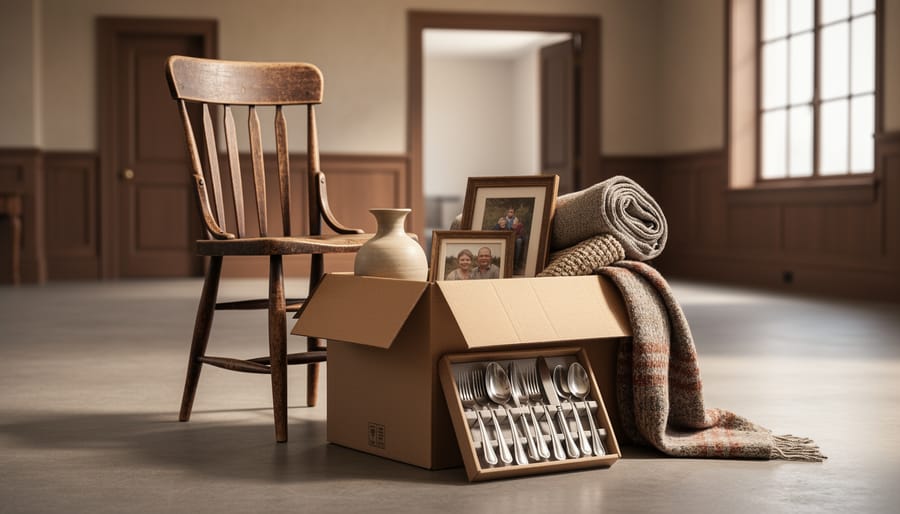
When you hear “house contents at auction,” the phrase refers to everything inside a property that isn’t permanently attached to the building itself. We’re talking furniture, clothing, kitchen appliances, books, artwork, electronics, linens, tools, garden equipment, and all those personal belongings that make a house feel lived-in. Understanding what counts as contents versus what’s considered part of the property can make the difference between scoring a fully furnished home and inheriting empty rooms.
- House contents
- All movable personal property inside a residence, furniture, appliances, clothing, books, kitchenware, and household goods, that can be removed without damaging the structure.
- Auction inclusion
- The determination of whether house contents are sold alongside the property, auctioned separately, donated, or removed before the sale.
- Chattels vs. fixtures
- Chattels are removable items (sofas, fridges, lamps), while fixtures are permanently attached to the property (built-in wardrobes, kitchen cabinets, light fittings) and typically stay with the house.
- Estate sale vs. property auction
- An estate sale focuses specifically on selling the deceased’s or vacating owner’s belongings, while a property auction sells the building, sometimes with contents included, sometimes not.
The distinction matters enormously for sustainability advocates because these contents represent a massive reuse opportunity. A single household can contain hundreds of usable items that would otherwise require new manufacturing if buyers had to furnish from scratch. For buyers, knowing whether you’re bidding on an empty shell or a furnished property affects valuation and logistics. Contents might be sold with the house as a package deal, catalogued and auctioned separately room by room, donated to charities, or discarded entirely. Each pathway has different environmental implications and opportunities for keeping perfectly good items in circulation.
How the House Contents Auction Process Works

The Role of the Auction House or Bank
Who calls the shots on house contents depends entirely on the ownership scenario. In a voluntary sale, the homeowner decides whether to take belongings, sell them separately, or include them with the property. Banks handling foreclosures typically hire contractors to assess contents, keeping valuable items for separate auction and discarding the rest, often with tight timelines that prioritize speed over sustainability. Estate executors managing inherited properties face similar choices but usually have more flexibility to work with estate sale companies or donation centers.
The auction house itself rarely owns decision-making power but influences outcomes significantly. Professional auctioneers advise sellers on which approach maximizes value while managing logistics, from cataloging furniture and kitchenware to coordinating removal. Some auction companies partner with reuse organizations to give devices a second life and divert household goods from landfills, while others default to disposal contractors when time is short.
Understanding who’s in charge helps you predict what happens to belongings. Bank-driven auctions typically move fast with less regard for reuse, while estate-managed sales often allow more time for thoughtful disposition and community involvement in rescuing usable items.
Timeline and Notification
The timeline from auction announcement to contents disposition typically spans four to eight weeks, though foreclosures and estate sales may compress this to as little as two weeks. Auction listings usually appear 30-45 days before sale day, giving prospective buyers time to research the property and its contents status.
Most auction houses post viewing schedules allowing walk-throughs 7-14 days before the sale. This is when you’ll discover what’s staying and what’s going. Look for “sold as seen” or “contents included” language in the listing, these phrases signal you’re buying more than just walls and floors.
Banks and auction companies notify buyers through property descriptions, photos, and legal documents attached to the listing. Some provide detailed inventory lists; others offer only general statements like “partial contents remaining.” If the listing stays silent about contents, assume they’ll be removed before closing.
After the hammer falls, contents removal happens quickly. New owners typically get 30 days maximum to clear remaining items, though some sales require immediate possession. Estate executors and banks usually remove valuables within a week of auction close, leaving behind only what they couldn’t sell or donate in time.
Different Types of Contents Scenarios at House Auctions
Contents Sold With the Property
When a house sells at auction with contents included, everything inside becomes part of the purchase, furniture, appliances, dishes, linens, even the half-used cleaning supplies under the sink. This “as-is, where-is” approach is most common in estate sales where heirs live far away, foreclosures where banks want quick disposition, and situations where removing items costs more than they’re worth.
For sustainability advocates, this scenario represents the smoothest path from one owner to the next. There’s no sorting phase where items get discarded, no storage period creating waste, no multiple handling steps. A dining set that might have ended up curbside instead moves directly into use by the new homeowner.
The catch? Buyers must be prepared for everything, treasures and trash alike. You might inherit a quality oak bookcase alongside broken electronics. Successful buyers approach these auctions as salvage opportunities, planning to keep useful items, donate what they can’t use, and responsibly dispose of only the truly unusable remainder.

Separate Contents Auction or Estate Sale
When contents hold significant value, antiques, collectibles, quality furniture, or designer items, sellers often opt for a separate sale entirely. A professional estate sale company will catalog everything, price items appropriately, and host a multi-day sale right at the property. They’ll advertise to collectors and bargain hunters, ensuring valuable pieces find buyers willing to pay fair prices.
Alternatively, contents might go to a dedicated auction house that specializes in household goods rather than real estate. These auctions feature everything from dining sets and artwork to kitchenware and linens, often attracting dealers and resellers who know how to value items properly.
This approach maximizes financial return for sellers while extending the life of quality goods. It’s thorough, estate sale professionals sort through closets, attics, and drawers rather than leaving usable items behind. The downside? It takes time, typically weeks to organize, and costs money (estate sale companies take a percentage). But for sustainability advocates, separate sales mean more items find new homes instead of dumpsters, and thoughtful sorting often leads to donations of unsold goods.
Donation and Charitable Reuse
In many cases, homeowners, estate executors, or banks choose to donate house contents rather than pursue sale or disposal. This often happens when items hold moderate value but lack the time or resources for a full estate sale, or when sellers prioritize social impact over profit.
Donated items typically go to established thrift stores like Goodwill or Salvation Army, local reuse centers such as Habitat for Humanity ReStores, or specialized charities that accept furniture, clothing, and household goods. These organizations sort, clean, and resell items at affordable prices, extending their useful life while funding community programs.
From a sustainability perspective, donation represents a significant win. Every sofa, dining set, or box of kitchenware diverted to charitable reuse avoids landfill disposal and eliminates the environmental cost of manufacturing replacements. This pathway keeps functional goods circulating in the community, reduces waste, and provides accessible furnishings for families in need, turning potential trash into genuine treasure.
Disposal and Waste
Unfortunately, not every item finds a second life. When auction timelines are tight or perceived value is low, contents often head straight to the skip. Furniture deemed too worn, outdated electronics, clothing without resale appeal, and miscellaneous household goods frequently get binned rather than sorted for reuse. The environmental toll is significant, perfectly functional items joining landfills alongside genuinely broken ones. Time pressure drives this waste: clearing a property before auction costs less than cataloguing and marketing individual items. It’s the opposite of what zero waste means representing a missed chance to extend product lifecycles and reduce manufacturing demand. The real tragedy? Many discarded items could have served someone else or been repaired, creating unnecessary environmental impact.
How House Contents at Auction Are Used and Why It Matters
Understanding what happens to house contents at auction is about more than logistics, it’s about recognizing a massive opportunity for sustainable living. Every year, thousands of properties go to auction, and with them, countless sofas, dining sets, wardrobes, linens, and kitchen essentials change hands or face disposal. When buyers acquire these items, or when advocates rescue them for reuse, they’re participating in a circular economy that extends the life of perfectly functional goods.
For buyers, house auctions offer a practical path to furnishing a home without purchasing new. A single auction property might contain everything needed for multiple rooms, beds, tables, lamps, dishes, even gardening tools, all at a fraction of retail cost. This isn’t just budget-friendly; it’s a direct alternative to buying from sustainable furniture brands or mainstream retailers, keeping existing items in circulation rather than triggering new manufacturing.
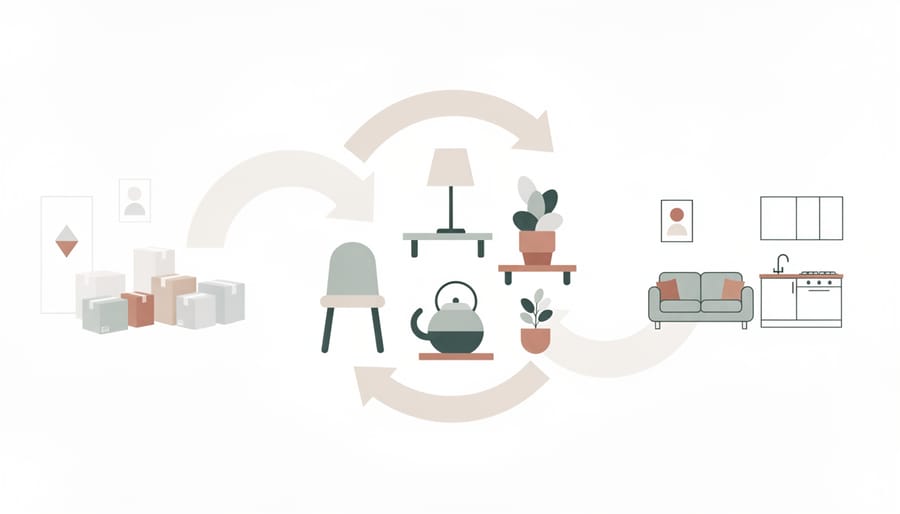
From a community perspective, auction contents represent neighborhood-scale resource flows. When local reuse centers partner with auction houses to collect unwanted items, or when buyers resell surplus contents through secondhand networks, they’re building local circular systems. Clothing that might have been binned finds new wearers. Furniture avoids the landfill and serves another household. Even damaged items can be repaired, upcycled, or harvested for parts.
The environmental stakes are real. Manufacturing a new sofa generates roughly 90 kilograms of carbon emissions; rescuing one from auction avoids that entirely. Multiply this across thousands of auctions annually, and the waste prevention potential becomes significant. House contents at auction aren’t just transactions, they’re sustainability junctions where individual choices determine whether goods continue their useful life or become waste.
What You Can Do: Participating Sustainably in House Auctions
You don’t have to be a professional buyer to make a difference at house auctions. Start by finding auctions that include contents, check local auction house websites, estate sale listings, and foreclosure auction notices, which often specify whether furnishings are included. Many auction companies offer preview days where you can walk through the property and assess what’s inside before bidding.
Focus your efforts on items with genuine reuse potential. Quality furniture that needs minor repairs, classic kitchenware, clothing in good condition, and household goods that still function represent the best sustainability wins. You’re not just acquiring secondhand items; you’re preventing perfectly usable belongings from reaching landfills.
To maximize your impact, consider these strategies:
- Attend preview days to identify valuable reusable items before the auction.
- Partner with local community reuse organizations who can help redistribute items you can’t use yourself.
- Focus on quality pieces that will last rather than grabbing everything available.
- Arrange immediate donation pickup for serviceable items you don’t need personally.
- Share your finds and opportunities within your eco-conscious community network.
Connect with local thrift stores, reuse centers, or community organizations before you bid. They’re often eager to receive rescued items and can sometimes coordinate pickup directly from auction properties. This collaborative approach amplifies your impact beyond what you can personally use.
Think of house auctions as treasure hunts that align perfectly with zero-waste living tips. Every item you rescue represents resources saved, manufacturing avoided, and waste prevented. You’re not just furnishing your home affordably, you’re participating in a circular economy that keeps goods in use and out of landfills.
Common Questions About House Contents at Auction
Are contents always included when a house goes to auction?
No, contents are only included if the listing explicitly states “sold with contents” or “as seen.” In most cases, belongings are removed before the property sale, either by the owner, estate executor, or through a separate contents auction.
Who’s responsible for removing items if they’re not sold with the house?
Typically the property owner or estate executor must clear the house before the auction date. If they don’t, the auction company or bank may hire a clearance service, and those costs get deducted from proceeds, often resulting in perfectly reusable items being hauled to landfill rather than donated.
Can I donate items from an auctioned house I’ve purchased?
Once you legally own the property and any included contents, you can donate whatever you don’t want to charity shops, community reuse centers, or organizations focused on ethical sustainable fashion and home goods. This keeps usable items in circulation and supports people who need affordable furnishings.
What happens to clothing and personal items left in auctioned houses?
Clothing and personal belongings follow the same paths as other contents, sold separately, donated, or discarded. Unfortunately, many garments end up in landfill during rushed clearances, which is why connecting with textile reuse organizations before disposal makes such a difference environmentally.
The answers above reflect real-world auction practices, but outcomes vary widely based on who’s managing the sale and how much time they have. If you’re selling a house through auction and want to handle contents responsibly, start the donation and reuse process early, weeks before the auction date, not days. Contact local charities, furniture banks, and textile recyclers to schedule pickups for usable items you won’t auction separately.
For buyers who discover they’ve purchased a house with unwanted contents, resist the urge to hire the fastest clearance company. Take time to sort items by donation potential first. One person’s outdated furniture becomes another’s affordable starter-home furnishings, and what seems like worthless clothing might be exactly what a job-training program or refugee resettlement organization needs.
Every sofa, kitchen table, and box of dishes that finds a new home through a house auction represents a small victory against waste. These aren’t just transactions, they’re interventions in the throw-away cycle that fills landfills and depletes resources. When you participate in house auctions with sustainability in mind, you’re doing more than furnishing your space or clearing a property. You’re extending the life of perfectly usable items and reducing demand for new production.
The contents of auctioned homes hold immense potential for circular living. Buyers can furnish entire rooms without contributing to manufacturing emissions. Advocates can rescue items destined for dumpsters and channel them to people who need them. Sellers and executors can choose responsible pathways, donation over disposal, estate sales over bulk removal, that honor both belongings and the planet.
This work becomes exponentially more powerful when we do it together. Connect with local reuse organizations, thrift stores, and eco-conscious community groups. Share leads on auctions with contents included. Volunteer to help sort and distribute items. Pressure auction companies and banks to prioritize donation and reuse over convenience disposal.
House auctions happen every day, and with them comes a constant stream of belongings at a crossroads. Your participation, whether you’re buying, rescuing, or thoughtfully managing a sale, determines whether those items get another chapter or become waste. Choose reuse. Every single time.