What Are the Advantages of Renewable Energy Resources (and Why They Matter)?
Renewable energy resources are sources of power that naturally replenish themselves and won’t run out, including solar, wind, hydroelectric, geothermal, and biomass energy. Unlike fossil fuels that take millions of years to form and release harmful emissions when burned, these sustainable alternatives harness the Earth’s ongoing natural processes to generate clean electricity and heat.
The shift toward renewable energy has accelerated dramatically in 2026, and for good reason. These power sources offer a practical pathway out of our dependence on finite, polluting fuels while creating opportunities for cleaner air, stronger local economies, and more resilient communities. What once seemed like a distant environmental ideal has become an accessible reality for households, businesses, and entire regions ready to embrace sustainable solutions.
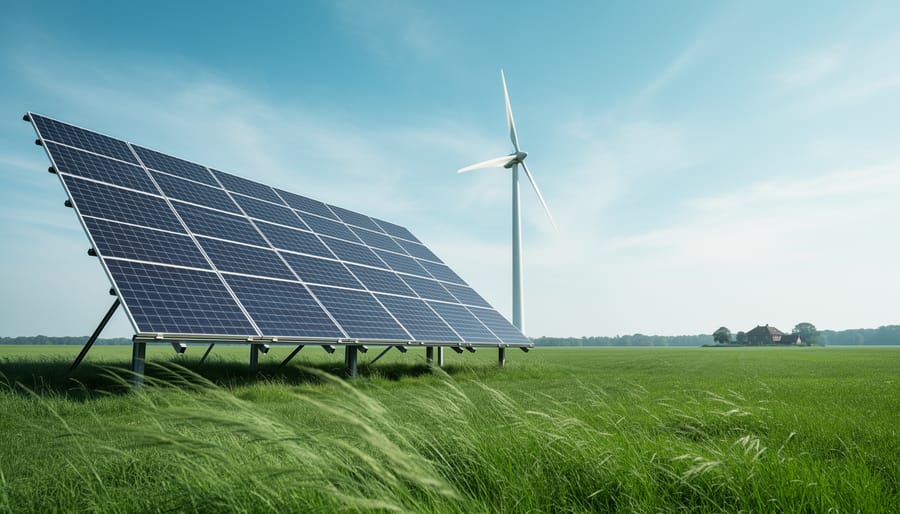
Understanding the advantages of renewable energy goes beyond knowing they’re “good for the planet.” The benefits touch every aspect of modern life, from the air your family breathes to the stability of your monthly utility bills, from job creation in your community to energy independence for entire nations. Solar panels on rooftops now power homes during the day and feed excess electricity back to the grid. Wind farms across rural landscapes generate income for farmers while supplying clean power to cities. Hydroelectric systems deliver reliable electricity without combustion or waste.
This article breaks down the specific advantages that make renewable energy resources not just environmentally responsible, but economically smart and socially transformative. You’ll discover how these technologies work, what makes each type unique, and why transitioning to renewables represents one of the most impactful choices available to individuals and communities committed to a sustainable future. The benefits are real, measurable, and within reach.
What Renewable Energy Resources Really Mean
Renewable energy resources are natural sources of power that naturally replenish themselves over time, making them virtually inexhaustible on a human timescale. Unlike fossil fuels that took millions of years to form and disappear once we burn them, renewable resources regenerate continuously through natural cycles, the sun rises every day, wind keeps blowing, rivers keep flowing, and the earth’s internal heat remains constant.
The key difference between renewable and non-renewable energy comes down to regeneration. Non-renewable sources like coal, oil, and natural gas exist in limited quantities. Once extracted and used, they’re gone. Renewable sources, by contrast, work with nature’s own rhythms. When you harness energy from the sun or wind, those sources aren’t depleted, they’ll be there tomorrow, next year, and for generations to come.
- Solar Energy
- Power captured from sunlight using photovoltaic panels or solar thermal systems. The sun delivers more energy to Earth in one hour than humanity uses in an entire year.
- Wind Energy
- Electricity generated by wind turbines that convert the kinetic energy of moving air into power. Wind patterns are driven by the sun’s uneven heating of the planet’s surface.
- Hydropower
- Energy produced from flowing or falling water, typically through dams or river systems. The water cycle continuously replenishes this resource through evaporation and precipitation.
- Geothermal Energy
- Heat extracted from beneath the Earth’s surface, tapping into the planet’s internal warmth. This resource remains constant regardless of weather or season.
- Biomass Energy
- Power created from organic materials like wood, agricultural waste, or dedicated energy crops. These materials can be regrown and harvested on relatively short cycles.
This regenerative quality makes renewable energy fundamentally sustainable. You’re not borrowing from a finite supply or taking from future generations, you’re working with nature’s abundance. That shift in thinking changes everything about how we approach energy, moving from extraction and depletion to partnership with natural systems that renew themselves.
How Renewable Energy Works in Practice
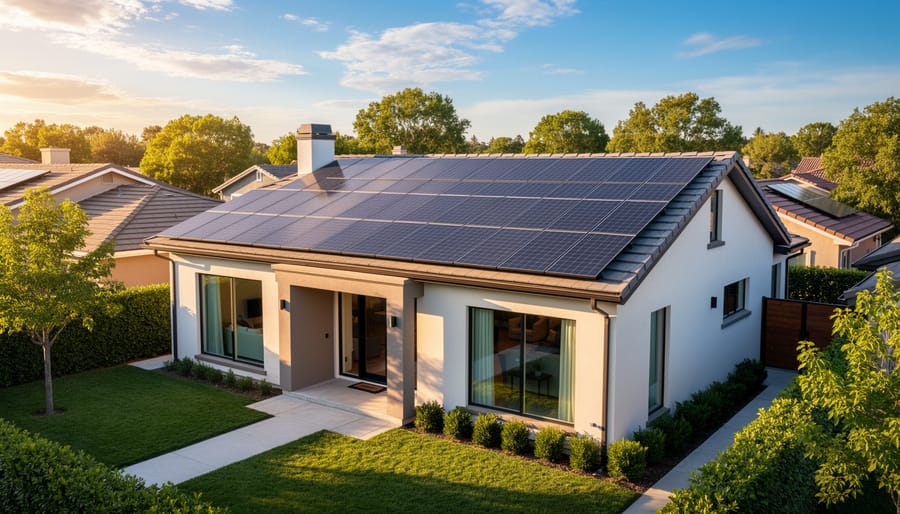
Understanding how renewable energy works doesn’t require an engineering degree. At its heart, the process is beautifully simple: natural forces that already exist around us get captured and transformed into the electricity or heat that powers our lives.
Think of renewable energy systems as translators. They take energy that’s constantly flowing through our environment, sunlight streaming down, wind sweeping across landscapes, water rushing through rivers, and convert it into forms we can actually use. The sun doesn’t naturally produce electricity, but a solar panel can bridge that gap. Wind doesn’t directly power your refrigerator, but a turbine makes the connection possible.
Each type of renewable energy uses a specific conversion method tailored to its natural source:
- Solar panels use photovoltaic cells that absorb sunlight and generate an electric current through semiconductor materials
- Wind turbines spin massive blades that turn generators, converting kinetic energy from moving air into electricity
- Hydroelectric dams channel flowing water through turbines, transforming the water’s movement into electrical power
- Geothermal systems use heat pumps to extract warmth from underground and distribute it for heating or convert it to electricity
- Biomass facilities burn or chemically convert organic materials like wood chips or agricultural waste into usable energy
What makes these systems practical is their directness. There’s no need to dig up and transport fuel, no combustion process creating waste byproducts. A solar panel installed on a rooftop starts producing electricity the moment sunlight hits it. Wind turbines generate power as long as air is moving. The energy source arrives naturally, and the technology simply harvests what’s already there.
The conversion happens continuously and cleanly. When sunlight strikes a photovoltaic cell, electrons start moving immediately, that movement is electricity. When wind pushes turbine blades, the spinning motion drives a generator that produces current right then and there. These aren’t complex chemical reactions or multi-stage industrial processes. They’re straightforward physical transformations happening in real time.
Once converted, renewable electricity flows into the grid or powers homes directly, exactly like conventional electricity. Your lights don’t care whether the power came from a coal plant or a solar farm, electricity is electricity. The difference is where it came from and how it got to you, not what it can do once it arrives.
The Core Environmental Advantages
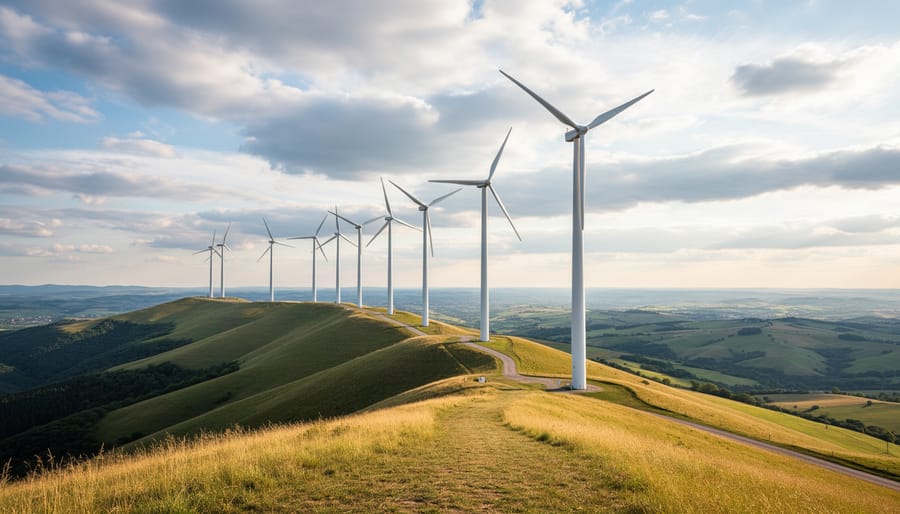
Clean Energy That Protects Our Planet
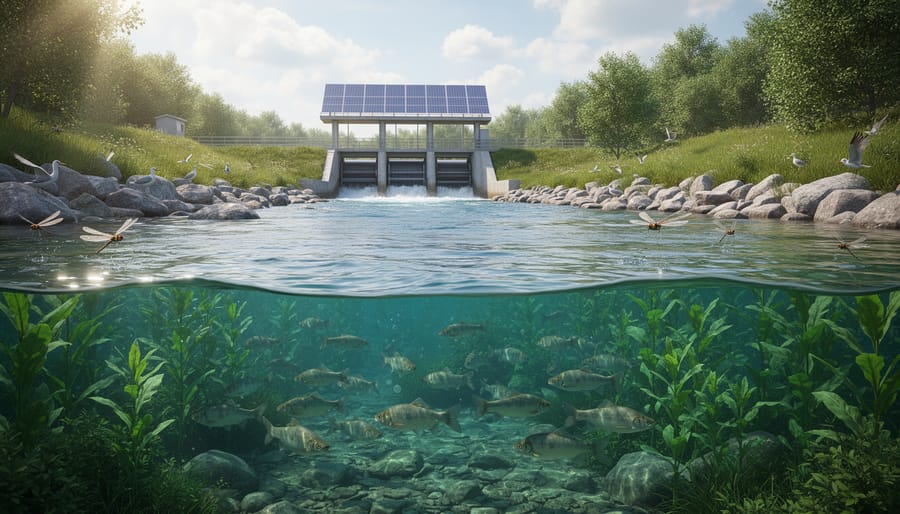
When you flip a light switch powered by renewable energy, you’re making a choice that keeps our air cleaner and our planet cooler. Unlike coal or natural gas plants that release carbon dioxide and other pollutants every time they generate electricity, renewable sources like solar panels and wind turbines produce energy without burning anything. The result? Virtually zero greenhouse gas emissions during operation.
The difference shows up immediately in the air we breathe. Communities near traditional power plants often deal with smog, particulate matter, and respiratory problems linked to fossil fuel combustion. Switch to renewables, and those emissions disappear. You’re not just reducing your carbon footprint, you’re helping clear the skies over your neighborhood.
The climate impact extends far beyond local air quality. Studies examining life-cycle greenhouse emissions show that even when accounting for manufacturing and installation, renewable energy sources produce a fraction of the emissions compared to fossil fuels over their lifetime. Solar panels might take energy to build, but they spend decades generating clean power that offsets that initial investment many times over.
This protection ripples through entire ecosystems. Cleaner air means healthier forests, lakes, and wildlife. Reduced carbon emissions slow the temperature changes that threaten species and habitats worldwide. Every kilowatt-hour generated by wind or sun is one that doesn’t contribute to acid rain, ocean acidification, or the warming that’s already reshaping our planet.
Your energy choices directly shape the environment around you. When more homes and businesses choose renewables, pollution drops, ecosystems recover, and communities become genuinely healthier places to live.
Preserving Natural Resources for Future Generations
Unlike fossil fuels that took millions of years to form and vanish once burned, renewable energy sources regenerate naturally and continuously. The sun will keep shining, the wind will keep blowing, and rivers will keep flowing long after we’ve harnessed their power. This fundamental difference means we’re not stealing from tomorrow to power today.
Every coal mine, oil well, and gas field leaves a permanent mark on the landscape, forests cleared, mountains leveled, ecosystems disrupted. Communities lose the natural spaces that sustained them for generations. Renewable energy installations, by contrast, can coexist with the land. Solar panels share space with native plants, wind farms allow continued agricultural use beneath turbines, and many systems can be removed entirely when their useful life ends, letting nature reclaim the space.
This same conservation mindset extends to all our eco-friendly choices. Just as renewable energy preserves natural resources, we can give devices a second life through thoughtful recycling and reuse, reducing the mining and extraction needed for new electronics.
By choosing renewables now, we’re ensuring our children inherit a world with intact forests, clean waterways, and thriving wildlife, not depleted mines and exhausted reserves. We’re passing down possibility rather than scarcity, abundance rather than debt. That’s perhaps the most profound advantage: renewable energy lets us meet our needs without compromising the ability of future generations to meet theirs.
Less Water Waste, More Conservation
Water is one of Earth’s most precious resources, yet traditional power generation consumes enormous amounts of it daily. Coal, natural gas, and nuclear power plants all rely on massive volumes of water for cooling processes, often withdrawing millions of gallons from rivers and lakes every single day. This constant demand puts pressure on already-strained freshwater supplies, especially in drought-prone regions where communities compete for limited water resources.
Renewable energy technologies flip this script entirely. Solar panels and wind turbines generate electricity without needing water for cooling or steam production. They simply convert sunlight or wind into power, making them remarkably water-efficient compared to conventional energy sources. The difference in operational water consumption between these technologies is staggering, renewables can use 95% less water than coal-fired plants over their lifetime.
This water conservation advantage extends beyond the power plant itself. Traditional energy extraction processes also consume tremendous amounts of water. Fracking for natural gas, mining coal, and drilling for oil all require significant water resources before a single watt of electricity is produced. Renewable systems skip these water-intensive extraction phases entirely.
For communities facing water scarcity, this matters profoundly. Every gallon saved by renewable energy is a gallon available for drinking, agriculture, and maintaining healthy ecosystems. Rivers stay fuller, aquatic habitats remain intact, and local water supplies stretch further to meet everyone’s needs.
When you support renewable energy, whether through home solar installation or backing clean energy initiatives, you’re directly contributing to water conservation efforts. You’re helping protect streams, lakes, and aquifers while ensuring future generations inherit a world where both power and water remain abundant.
Economic and Community Benefits
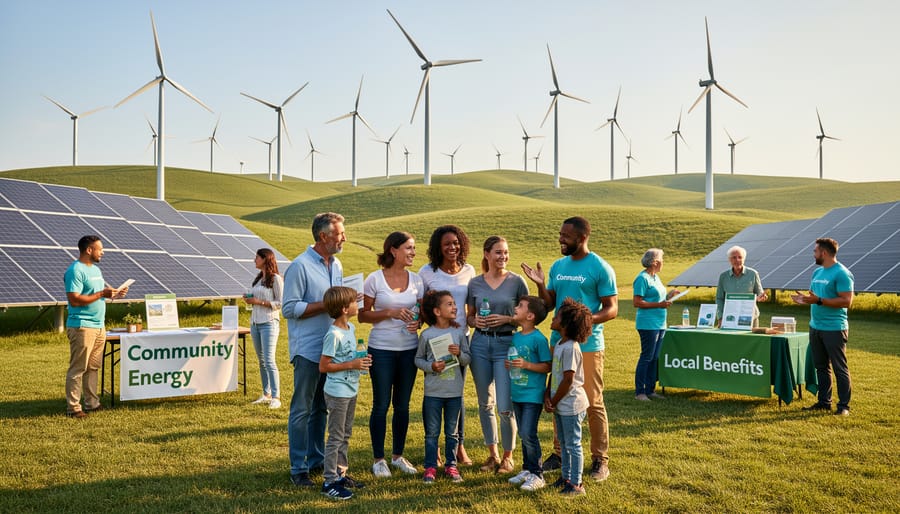
Lower Energy Costs Over Time
Switching to renewable energy often means saying goodbye to unpredictable utility bills. Once you’ve installed solar panels on your roof or joined a community solar program, the sun doesn’t send you an invoice for its service. Your upfront investment starts paying dividends immediately through reduced monthly electricity costs, sometimes cutting bills by 50% to 90% depending on your system size and energy usage.
Home solar systems typically pay for themselves within 7 to 12 years, then continue generating free electricity for decades. The panels themselves often last 25 years or more, meaning you could enjoy 15-plus years of essentially free power after breaking even. Community solar programs offer similar savings without the installation commitment, letting renters and homeowners alike tap into clean energy at discounted rates.
Beyond the immediate savings, renewable energy shields you from the wild price swings that plague fossil fuels. Oil and natural gas prices jump with geopolitical tensions, supply disruptions, and market speculation. Solar and wind energy costs stay flat, sunshine and breeze don’t fluctuate with global politics. This predictability makes household budgeting easier and protects your wallet from future energy price spikes.
Many states and utilities also offer net metering, letting you sell excess solar power back to the grid. Those credits further reduce your bills, sometimes zeroing them out entirely during sunny months. It’s your energy working for you.
Job Creation and Local Economic Growth
Renewable energy doesn’t just power homes, it powers local economies. The sector creates jobs across a diverse range of skills and experience levels, from solar panel installers and wind turbine technicians to manufacturing workers and project managers. Unlike fossil fuel industries that concentrate employment in specific extraction regions, renewable energy projects spread opportunity throughout communities where installations happen. Every rooftop solar array needs skilled installers. Every wind farm requires maintenance crews. Every component factory employs local workers.
These aren’t temporary construction gigs that disappear once a project finishes. Renewable energy systems need ongoing maintenance, monitoring, and eventual upgrades, creating stable, long-term employment. A single community solar project can support jobs for decades, keeping skilled workers in the area and building local expertise.
The financial benefits ripple outward too. When communities invest in renewable infrastructure, that money circulates locally rather than flowing to distant oil companies or foreign energy suppliers. Local contractors win bids. Nearby manufacturers supply components. Regional businesses grow to meet the demand. Small towns that install municipal solar arrays or partner with wind developers often see new businesses emerge to support the renewable sector.
This economic model aligns perfectly with building stronger, more resilient communities. Supporting renewable energy means supporting your neighbors’ livelihoods, keeping wealth circulating where you live, and creating opportunities for the next generation of workers in a growing, future-focused industry.
Energy Independence and Security
Renewable energy resources give communities and nations the power to generate their own electricity rather than relying on fuel imports from other countries. When you produce energy from local sunlight, wind, or water, you’re not vulnerable to international price spikes or supply chain disruptions that can leave entire regions in the dark.
This energy independence strengthens national security by reducing exposure to geopolitical tensions that often affect oil and gas markets. Countries with robust renewable infrastructure can weather global crises with greater stability, keeping the lights on and critical services running even when traditional fuel supplies are threatened.
On a community level, this means more predictable energy costs and fewer disruptions. Local renewable projects, like a town’s solar farm or a region’s wind installations, create a self-sufficient energy ecosystem that isn’t subject to the whims of distant markets or political conflicts. Your community becomes resilient, maintaining power during emergencies and building a foundation of stability that supports everything from hospitals to small businesses, all while keeping energy dollars circulating locally rather than flowing overseas.
Practical Applications in Everyday Life
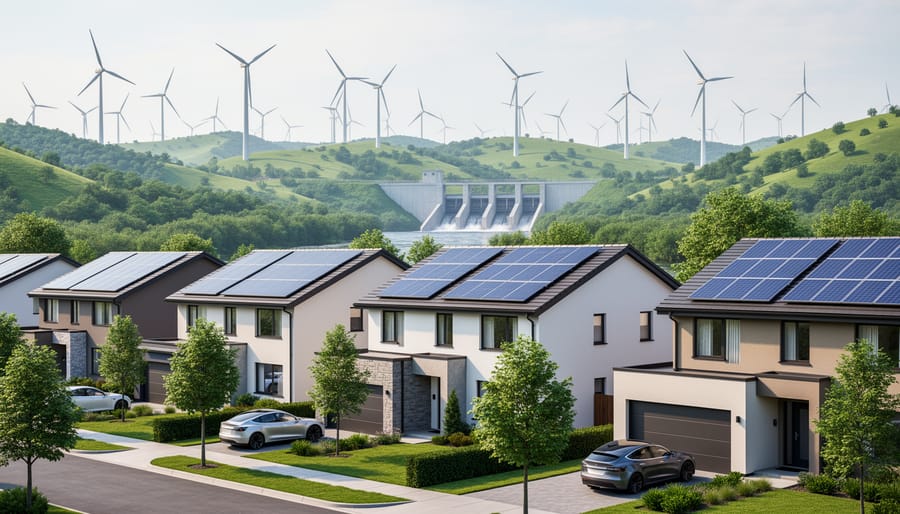
Renewable energy isn’t just an abstract concept debated by policymakers, it’s already woven into the fabric of daily life in ways that might surprise you. From the house down the street with solar panels to the local business proudly powered by wind energy, these advantages are showing up in tangible, accessible forms that anyone can see and benefit from.
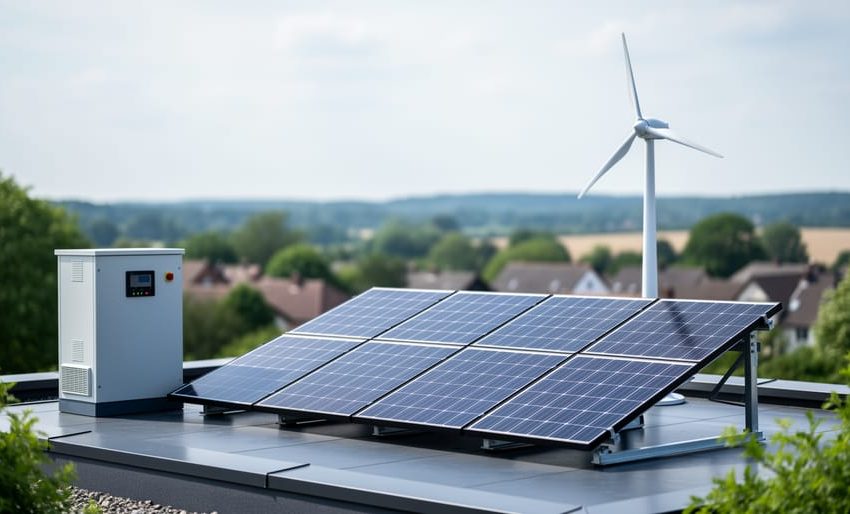
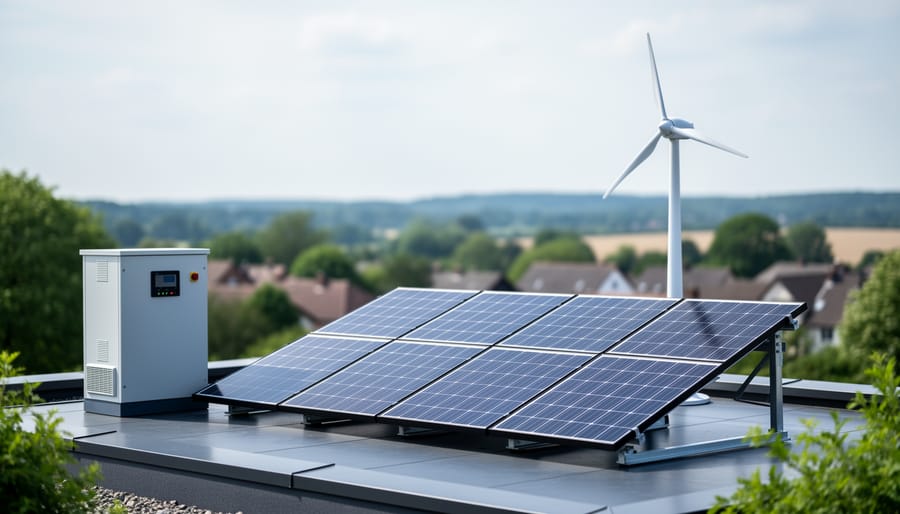
Homeowners are leading the charge by installing rooftop solar systems that convert sunlight directly into electricity for everyday use. Those sleek panels you see on neighborhood roofs aren’t just reducing carbon footprints, they’re slashing monthly utility bills and providing energy security during grid outages. Some households have gone further, pairing solar with battery storage to create nearly self-sufficient energy systems that work around the clock.
Businesses are catching on too. Eco-friendly brands and forward-thinking companies are powering their operations with clean energy, whether through on-site installations or by purchasing renewable energy credits. Coffee shops, retail stores, and manufacturing facilities alike are discovering that going green doesn’t just help the planet, it also attracts environmentally conscious customers and cuts operating costs.
Communities are embracing renewable energy through shared projects that spread the benefits widely:
- Residential rooftop solar installations that reduce household electricity costs
- Community wind projects where multiple households share ownership and benefits
- Local businesses powered entirely by renewable energy sources
- Public electric vehicle charging stations fed by solar or wind power
- Off-grid living solutions for remote homes using solar panels and battery systems
- Municipal renewable programs bringing clean energy to entire neighborhoods
These applications extend beyond stationary uses. Electric vehicles charging from solar-powered stations represent a full-circle renewable solution, clean energy powering clean transportation. Rural communities are using small-scale wind turbines and solar arrays to bring reliable electricity to areas where traditional grid infrastructure is costly or impractical.
Schools and public buildings are also getting in on the action, installing solar canopies over parking lots that generate power while providing shade. These visible installations serve double duty as educational tools, showing students and community members how renewable technology works in real time. Municipal swimming pools heated by solar thermal systems and streetlights powered by small wind turbines demonstrate how renewable energy can handle both large-scale and specialized applications without breaking the budget or requiring massive infrastructure changes.
How You Can Tap Into These Advantages
You don’t need to wait for governments or corporations to make the shift. Renewable energy advantages are within your reach right now, and getting started is easier than you might think.
Start at Home, Start Small
Home solar panels are the most visible option, but they’re not your only entry point. Many utility companies offer green energy programs where you can opt to purchase renewable electricity for a small premium on your monthly bill. Community solar programs let you benefit from solar energy without installing anything on your roof, you subscribe to a portion of a shared solar farm and receive credits on your electricity bill. If you rent or can’t install panels, this is your way in.
For those ready to invest, solar installations have never been more affordable, with federal tax credits covering up to 30% of costs. Pair them with energy-efficient appliances and smart home systems to maximize your savings and environmental impact.
Support Businesses Walking the Talk
Your purchasing choices amplify renewable energy adoption. Seek out companies committed to clean energy in their operations. When you support a sustainable fashion pioneer or eco-friendly brand powered by renewables, you’re voting with your wallet for the kind of world you want to see. Check company sustainability reports or certifications, many proudly share their renewable energy commitments.
When you upgrade devices, remember to recycle green technology properly so valuable materials get recovered and reused in new clean energy systems.
Join Your Community’s Energy Future
Local action creates powerful ripple effects. Attend town meetings to advocate for municipal renewable energy projects. Join or start a community energy cooperative where neighbors pool resources for shared solar or wind installations. Many neighborhoods have successfully lobbied for solar-powered streetlights, community centers with rooftop panels, or renewable energy targets in local climate action plans.
Connect with environmental groups in your area, they often organize workshops, bulk-buy programs that reduce installation costs, and advocacy campaigns that make renewable energy more accessible to everyone.
Spread the Word
Talk about your renewable energy experiences with friends, family, and neighbors. Share your electricity savings, your excitement about cleaner air, your pride in contributing to a sustainable future. Personal stories inspire action more powerfully than any statistic. When people see someone they know benefiting from renewable energy, it stops being an abstract concept and becomes a real possibility.
Common Questions About Renewable Energy Advantages
Are renewables reliable enough for everyday use?
Yes, modern renewable energy systems are highly reliable for daily power needs. While solar and wind output varies with weather, grid-connected systems draw from diverse sources and storage solutions ensure consistent supply. Millions of homes and businesses worldwide depend on renewable energy without service interruptions.
Is renewable energy really cheaper?
Renewable energy costs have dropped dramatically, making solar and wind now the cheapest sources of new electricity in most regions. While installation requires upfront investment, the absence of fuel costs means lower bills over time, and many areas offer incentives that reduce initial expenses.
Can I use renewable energy if I rent?
Absolutely. Renters can participate through community solar programs that don’t require rooftop panels, choose green energy plans from their utility provider, or use portable solar chargers for devices. Some landlords are also open to sharing installation costs for upgrades that reduce energy bills.
What’s the biggest advantage for individual homeowners?
Long-term savings combined with energy independence stand out most. After your system pays for itself, you’re generating free power while protecting yourself from rising utility rates and gaining resilience during grid outages.
How do renewables help combat climate change?
Renewable energy produces virtually no greenhouse gas emissions during operation, directly reducing the carbon pollution driving global warming. Every kilowatt-hour from clean sources replaces electricity that would have come from fossil fuels, making an immediate positive impact on atmospheric carbon levels.
Beyond these common questions, people often wonder about what happens to renewable technology at the end of its life. Solar panels and wind turbine components can be recycled, and responsible eco-friendly device disposal ensures materials get recovered and reused rather than wasted. This circular approach extends the environmental advantages even further, turning old equipment into resources for new systems while keeping harmful materials out of landfills.
The advantages of renewable energy resources aren’t just impressive talking points, they’re real benefits that touch every aspect of our lives. From protecting the air we breathe and the water we drink to lowering our energy bills and creating jobs in our communities, renewable energy offers a path forward that works for people and the planet. These advantages become even more powerful when we realize we’re not passive observers but active participants in this transformation.
You don’t need to overhaul your entire life overnight to make a difference. Start where you are. That might mean researching solar options for your home, joining a community solar program, or simply choosing to support businesses that prioritize clean energy. Every conversation you have about renewable energy, every eco-friendly brand you champion, every local initiative you support adds momentum to a movement that’s already reshaping our world.
At Unique Junk, we believe the greenest future is one we build together. The advantages of renewable energy resources multiply when communities embrace them collectively, when neighbors share knowledge, and when we celebrate each step toward sustainability. Your choice to learn about these advantages today positions you to be part of tomorrow’s solutions. The transition to renewable energy isn’t something happening to us, it’s something we’re creating, one decision at a time, one community at a time, one person at a time. And that person can be you.