
Crysalis Biosciences Inc: The Sustainable Fashion Pioneer You Need to Know
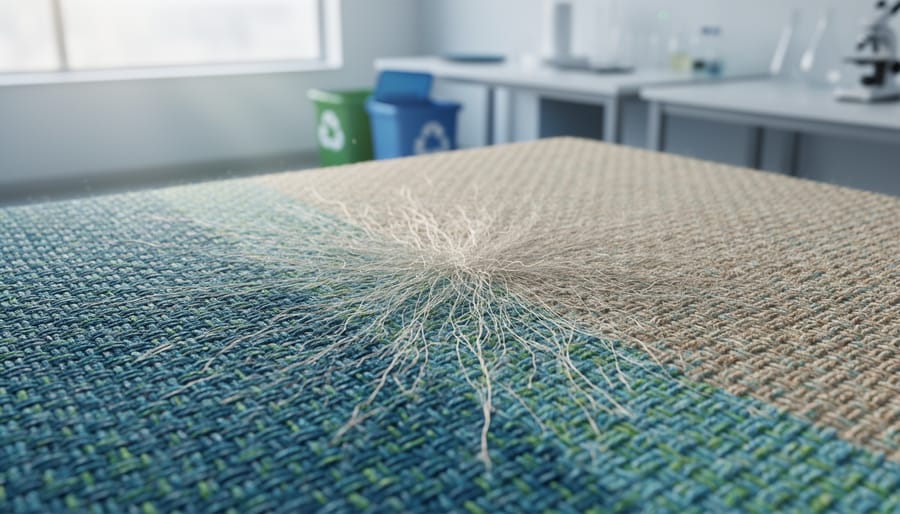
Crysalis Biosciences Inc is pioneering the next generation of sustainable materials by transforming textile waste into biodegradable alternatives through advanced bioengineering, effectively closing the loop in fashion’s linear production model. Founded as part of the Chrysalix Technologies family of companies, this biotech innovator has developed proprietary microbial processes that break down discarded fabrics and repurpose them into new, high-performance fibers without the environmental cost of virgin material production.
The company’s breakthrough lies in its ability to work with mixed-fiber waste, the kind that typically ends up in landfills because traditional recycling methods can’t separate blended materials. Through carefully cultivated enzymes and fermentation technology, Crysalis converts these “unrecyclable” textiles into bio-based polymers that meet the durability standards of conventional synthetic fabrics while remaining fully compostable at end of life.
For those of us committed to reducing our fashion footprint in 2026, this matters tremendously. The global textile industry generates over 92 million tons of waste annually, and most mechanical recycling only delays the inevitable trip to the incinerator. Crysalis offers something different: a biological solution that mimics nature’s own recycling systems, where nothing is truly waste.
What sets this approach apart is its scalability. Rather than asking consumers to buy less or brands to completely overhaul supply chains overnight, Crysalis creates infrastructure that works within existing manufacturing frameworks while dramatically cutting carbon emissions, water use, and chemical pollution. The result is genuine circularity, not just downcycling.
What Makes Crysalis Biosciences Inc Different
At its core, Crysalis Biosciences Inc isn’t just another biotech company, it’s a pioneer reimagining what fashion materials can be. While traditional textile manufacturing consumes massive amounts of water, energy, and petroleum-based resources, Crysalis takes a radically different path. They harness biological processes to grow materials from renewable sources, creating fabrics that perform like conventional textiles but break down naturally at the end of their life cycle.
What sets this company apart is their commitment to closed-loop systems. Instead of extracting, manufacturing, and discarding, Crysalis designs materials that return safely to the earth. Their mission centers on proving that fashion doesn’t have to choose between style and sustainability. Through precision fermentation and cellular agriculture, processes similar to how we make plant-based proteins, they’re developing fibers that match the quality of silk, leather, and synthetic fabrics without the environmental cost.
The real innovation lies in how they’ve made biotechnology accessible to fashion brands of all sizes. Rather than positioning themselves as an exclusive luxury supplier, Crysalis works collaboratively with designers, manufacturers, and retailers to integrate sustainable materials into existing production lines. They provide technical support, material customization, and transparent supply chain data, empowering brands to make genuinely green choices without overhauling their entire operations.
This approach bridges the gap between laboratory science and your everyday wardrobe. By focusing on scalability and affordability alongside environmental performance, Crysalis proves that cutting-edge biotech can serve conscious consumers at every price point. Their materials aren’t experimental prototypes, they’re ready-to-wear solutions helping transform fashion from one of the world’s most polluting industries into a force for environmental restoration.

The Science Behind Sustainable Materials
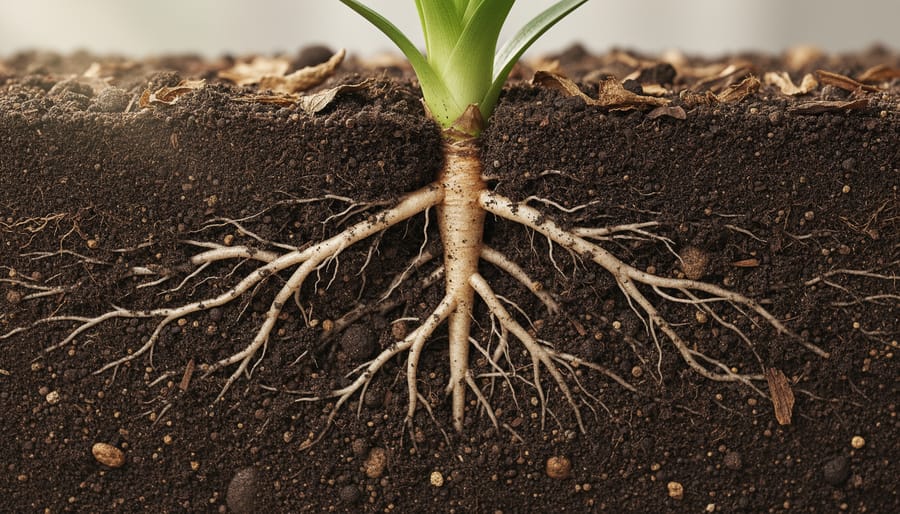
At the heart of Crysalis Biosciences Inc’s work lies a simple yet revolutionary idea: what if fashion materials could grow instead of being manufactured? The company harnesses the natural abilities of microorganisms to produce textile fibers and fabrics through biological processes, essentially farming materials rather than extracting or synthesizing them from petroleum-based sources.
The process starts with carefully selected microbes that are fed renewable feedstocks like agricultural waste or plant sugars. These tiny organisms then produce polymers and proteins that can be spun into fibers with properties similar to silk, cotton, or even synthetic materials, but without the environmental cost. It’s nature-inspired production at its finest, mimicking how spiders create silk or how plants build cellulose structures.
What makes this approach genuinely transformative is the dramatic reduction in resource consumption. Traditional textile manufacturing guzzles enormous quantities of water, energy, and chemicals. Cotton farming alone accounts for roughly 2.6% of global water use, while polyester production relies on fossil fuels and generates persistent microplastic pollution. Crysalis Biosciences Inc’s bio-based materials require a fraction of the water and energy, produce minimal waste, and are designed to biodegrade at the end of their lifecycle.
The materials coming from these biotech processes aren’t compromise fabrics that force you to choose between sustainability and quality. They can be engineered for specific properties: breathability for activewear, durability for everyday clothing, or luxurious texture for high-end fashion. The versatility means sustainable doesn’t have to mean scratchy, stiff, or limited in application.
Perhaps most importantly, this production method creates a closed-loop system. Because the materials are grown from renewable inputs and break down naturally, they fit into a circular economy rather than the linear take-make-dispose model that’s choking our planet with textile waste. Every year, 92 million tons of textile waste end up in landfills globally. Bio-based alternatives offer a genuine exit from this cycle.
The science empowers both innovation and responsibility, proving that cutting-edge biotechnology can work hand-in-hand with environmental stewardship to reinvent how we clothe ourselves.
Real-World Impact: From Lab to Your Closet
Crysalis Biosciences Inc isn’t just conducting lab research. Their innovations are already appearing in clothing you can buy today, transforming how sustainable fashion reaches your wardrobe.
Several forward-thinking brands have partnered with the company to integrate bio-based materials into their collections. These aren’t experimental one-off pieces, they’re everyday garments designed for real life. You’ll find their materials in activewear that wicks moisture naturally, casual tops that breathe better than synthetic alternatives, and even accessories like bags that break down properly at the end of their lifecycle.
What makes these partnerships particularly exciting is the accessibility factor. Crysalis Biosciences Inc works with brands at various price points, from premium sustainable labels to more affordable options. This means you don’t need a massive budget to wear biotech-innovated fashion. Some partner brands have reported that their Crysalis-sourced garments retail for only 15-20% more than conventional items, a gap that’s narrowing as production scales up.
The materials perform impressively in everyday use. Customers consistently note that these bio-based fabrics feel softer after washing, resist odors better than synthetic alternatives, and maintain their shape through repeated wear. One activewear brand using Crysalis materials found their return rate dropped by 30% compared to conventional fabrics, people simply weren’t dissatisfied enough to send items back.
For eco-conscious shoppers, the transparency matters too. Partner brands typically share information about their Crysalis-sourced materials on product pages, often including details about water savings, reduced chemical use, and biodegradability. This lets you make informed choices based on actual environmental impact rather than vague marketing claims.
The real-world proof is compelling: sustainable fashion from Crysalis Biosciences Inc isn’t tomorrow’s promise, it’s hanging in closets right now, worn by people who’ve discovered that environmental responsibility and quality don’t have to compete.

How You Can Support Biotech-Driven Sustainable Fashion
Supporting biotech innovations like those from Crysalis Biosciences Inc starts with your everyday choices. While large-scale change takes time, your purchasing decisions send powerful signals to fashion brands about what matters to their customers.
Start by researching which fashion brands have partnered with biotech material developers. Many forward-thinking companies now highlight their use of bio-based fabrics in product descriptions and sustainability reports. Look for transparency about material sourcing and manufacturing processes. Brands genuinely committed to sustainable innovation will share detailed information rather than relying on vague green claims.
When shopping for bio-based fashion products, follow these practical steps to make informed choices:
- Check product labels and descriptions for specific material types like bio-fabricated leather alternatives, algae-based textiles, or lab-grown fibers rather than generic terms like “eco-friendly”
- Visit brand websites to read their sustainability commitments and look for mentions of biotech partnerships or innovative material development programs
- Compare certifications from recognized organizations that verify sustainable production methods and material authenticity
- Ask questions directly through customer service or social media if information about materials and sourcing is not readily available
- Prioritize quality over quantity by investing in durable pieces that will last years rather than buying trendy items you’ll replace quickly
Beyond purchasing, amplify your impact by sharing discoveries with your community. When you find brands using innovative materials, tell friends, post on social media, and leave reviews highlighting these sustainable choices. Your enthusiasm creates awareness and encourages others to seek out similar options.
Join online communities focused on sustainable fashion to stay informed about new biotech developments and brand partnerships. Many organizations host workshops, webinars, and events where you can learn more about material innovation and connect with like-minded individuals. These spaces often share insider information about upcoming product launches and smaller brands making significant strides in bio-based fashion.
Consider supporting crowdfunding campaigns for emerging sustainable fashion brands. Many startups working with biotech materials need early adopters to help them scale production and make their innovations more accessible to broader markets. Your contribution helps bridge the gap between laboratory breakthroughs and mainstream availability.
Building a Greener Fashion Future Together
The fashion industry’s transformation won’t happen in isolated laboratories or boardrooms. Real change comes when consumers, designers, manufacturers, and biotech pioneers work together toward shared environmental goals.
Start by joining conversations that matter. Follow sustainable fashion brands on social media, participate in forums about eco-friendly materials, and share your experiences with bio-based products. Your voice amplifies the demand for innovation and signals to retailers that consumers care deeply about environmental impact. When you choose brands partnering with biotechnology companies focused on sustainable materials, you’re casting a vote for the fashion future you want to see.
Brands can accelerate progress by committing to transparency about their material sourcing and manufacturing processes. Collaborate with biotech innovators to pilot new sustainable fabrics in limited collections, gathering customer feedback to refine both products and messaging. Support doesn’t always mean immediate full-scale adoption; trial partnerships and honest dialogue about challenges help move the entire industry forward.
Community involvement extends beyond purchasing decisions. Organize clothing swaps, repair workshops, and educational events about sustainable materials in your neighborhood. Connect with local eco-conscious groups to advocate for policy changes supporting green manufacturing. Reach out to your favorite brands directly, asking about their sustainability initiatives and expressing interest in bio-based alternatives.
Every conversation, every informed choice, and every collaborative effort builds momentum. The shift toward sustainable fashion isn’t a distant possibility; it’s happening now, and there’s a meaningful role for everyone who cares about our planet’s future.
The future of fashion is being written right now, and companies like Crysalis Biosciences Inc are proving that style and sustainability can thrive together. Every purchase you make is a vote for the world you want to see. By choosing brands that partner with biotech innovators, you’re not just updating your wardrobe, you’re supporting groundbreaking science that reduces pollution, conserves resources, and protects ecosystems. We’d love to hear how you’re incorporating sustainable fashion into your life. Share your experiences, favorite eco-friendly brands, and questions with our community. Together, we’re creating a movement where looking good means doing good for our planet. Your choices matter, and they’re making a real difference.